
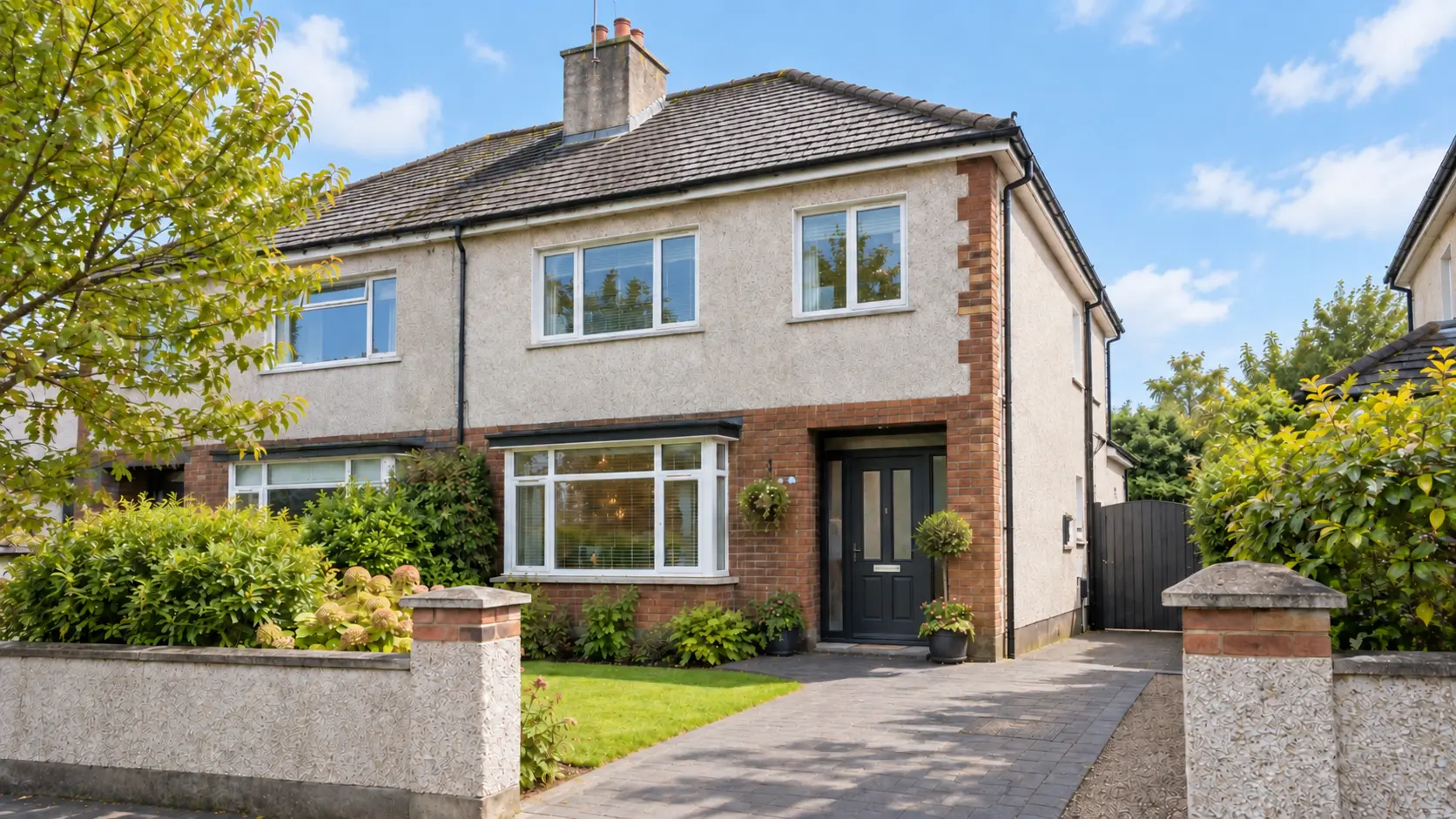
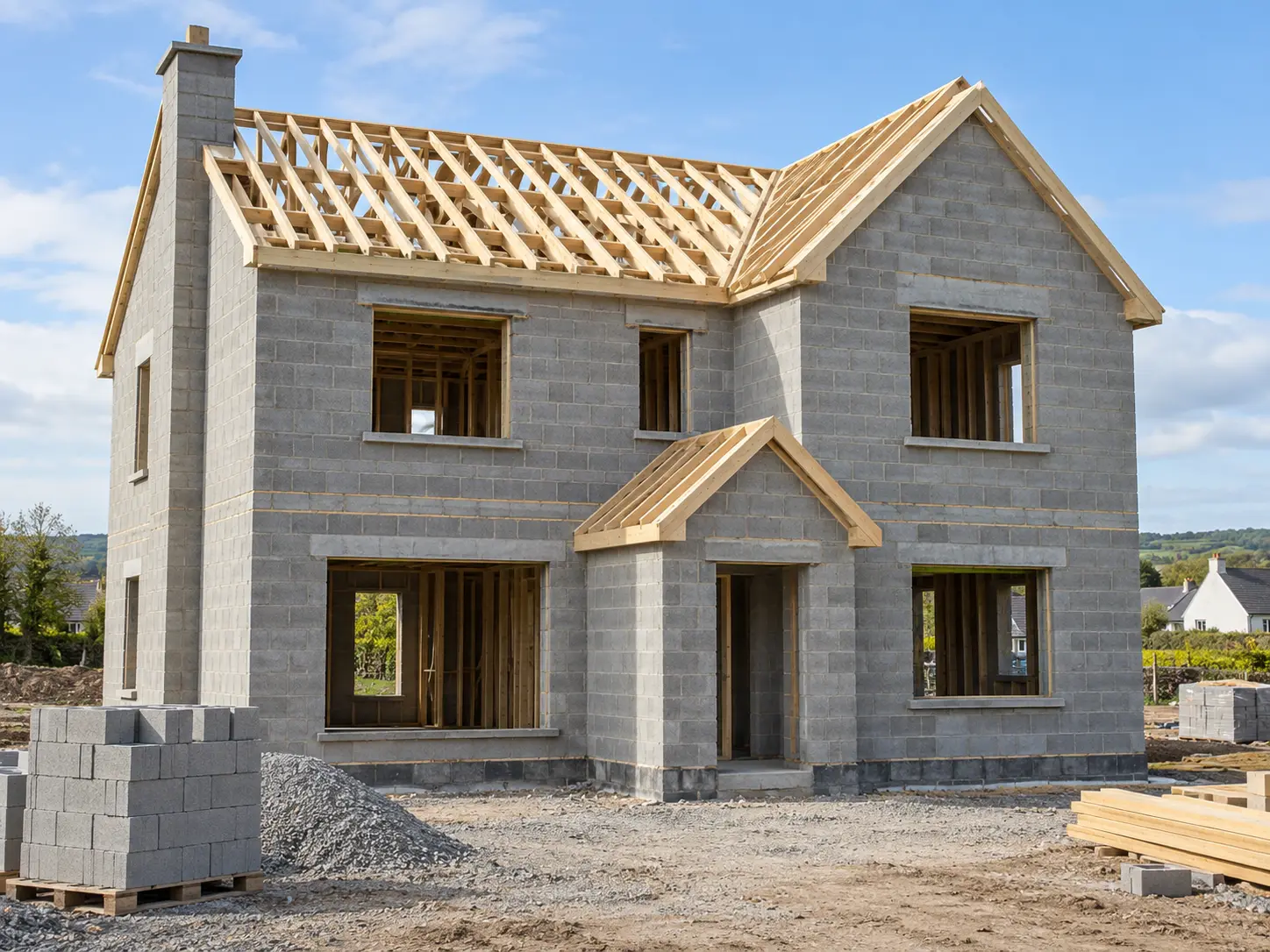
How to Calculate Your Home Rebuild Cost in Ireland
Using the SCSI calculator properly, what it excludes, and when a professional valuation is needed.
Read guideAn independent guide to home insurance in Ireland: buildings versus contents, rebuild cost versus market value, underinsurance, excesses and exclusions, and what to prepare before you compare cover, plus a free Home Insurance Check.
The comparison service is provided on CompareInsuranceIreland.ie.
Home insurance decisions are easy to get wrong in ways that only become obvious when you make a claim. This guide sets out what buildings and contents cover actually protect, how to work out realistic figures for each, which policy terms deserve close attention, and which changes to your home or circumstances your insurer needs to know about. It also sets out what to have ready before you compare cover.
Most home insurance confusion starts with treating "home insurance" as one product. It is usually two, and which you need depends on whether you own or rent.
For borderline items such as fitted kitchens, garden features and single item limits, see our guide to buildings and contents insurance: what each covers.
The single most common mistake in buildings insurance is using a home's market value, or its purchase price, as the sum insured. Market value includes the site and its location, neither of which needs to be rebuilt after a fire, storm or flood. What actually needs insuring is the cost to demolish the damaged structure and rebuild it to the same specification, plus professional fees and site clearance.
The Society of Chartered Surveyors Ireland publishes a rebuild cost calculator that gives a base estimate for standard estate-type houses built from the 1960s onwards. It does not cover period, bespoke, thatched or basement properties, houses of more than three storeys, or apartments, and it is a starting estimate rather than a substitute for a professional valuation on an unusual property.
A house bought for €420,000 might have a genuine rebuild cost closer to €300,000, since the site and location, which make up much of the purchase price, are not part of what insurance needs to replace. Insuring for the purchase price alone can mean paying for cover you do not need, or in the reverse case, insuring an older or larger property for less than it would actually cost to rebuild.
For a full walkthrough of how to actually work out this figure, including what the SCSI calculator does and does not cover, see our guide to how to calculate your home rebuild cost in Ireland.
If your buildings sum insured is lower than the true rebuild cost, most Irish policies apply what is known as an average clause. Rather than simply running out of cover once the shortfall is reached, the clause reduces every claim payout by the same proportion as the underinsurance, including on a partial claim.
If your home's true rebuild cost is €300,000 but you have insured it for €225,000, you are insured for 75% of its value. A claim for a €20,000 roof repair could then be settled at 75%, or €15,000, not the full cost of the repair. The shortfall applies across every claim on the policy, not just to a total loss.
The way to avoid this is straightforward: use a proper rebuild cost estimate, not a guess or a market value figure, and review it again after any extension or major renovation. If a claim is ever disputed on underinsurance grounds, the Financial Services and Pensions Ombudsman can examine whether the insurer's question was clear and your answer reasonable at the time.

Contents cover can be underinsured as easily as buildings cover. To estimate it realistically, walk through each room and calculate what it would cost to replace everything with new equivalents, rather than what the items are worth second hand.
Policies also set a single item limit, which is the most paid for one item unless it is listed separately. Limits vary, so check your policy. Jewellery, art, bicycles and electronics above the limit may need to be declared and valued separately.
If you regularly take belongings away from home, such as a laptop or hobby equipment, check whether your policy includes cover outside the property.
Two policies with a similar price can differ significantly in what they actually pay out. These are the terms worth comparing line by line rather than assuming they are the same.
These four risks are usually included in standard buildings cover, but insurers assess and price each of them differently depending on your specific property, so it is worth understanding what affects them before you compare quotes.
If your property has a known history of flooding, subsidence or escape-of-water claims, tell your insurer directly rather than relying on a general area-level assessment.
Several common circumstances change what a policy requires, and missing one can affect a claim even where the underlying event would otherwise be covered.
Continue to an external comparison service to explore home insurance options.
Compare home insurance at CompareInsuranceIreland.ie (opens in a new tab)
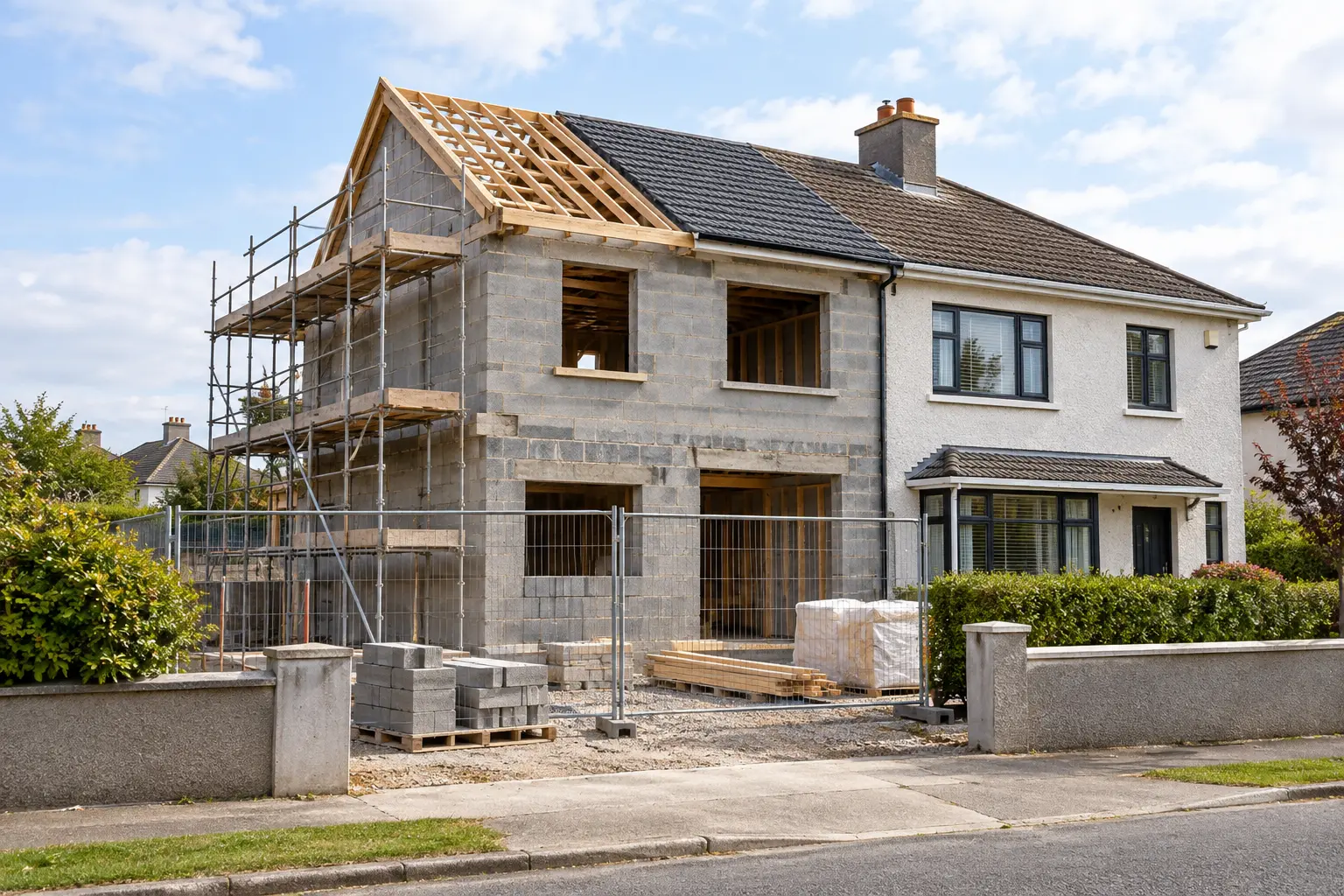
An extension, loft conversion or structural alteration can increase your rebuild cost and temporarily change the risk. Tell your insurer before significant work begins, as standard cover may be restricted or excluded during construction unless the insurer agrees otherwise. Ask what conditions apply to security or occupancy during the work, and check that the contractor has suitable insurance for the project.
If you add a two storey extension without increasing the sum insured, the policy may no longer reflect the home's rebuild cost and the average clause described earlier could apply to a claim. When work is complete, update the rebuild estimate and buildings sum insured. Keep planning permission and completion documents in case the insurer requests them.
For the full picture of what to tell your insurer before, during and after a renovation, including contractor insurance and occupancy conditions, see our guide to home insurance during renovations and extensions. If you're planning building work, you can budget for your renovation using our free calculator for bathrooms, kitchens and single-storey extensions.
Adding solar panels or a battery is also a change worth telling your insurer about. Our guide to home insurance and solar panels covers what to check.
Under the Consumer Insurance Contracts Act 2019, an insurer must ask clear, specific questions, and you must answer them honestly and with reasonable care. You are not required to volunteer information beyond what you are actually asked, but an inaccurate or incomplete answer to a question that was asked can affect a later claim or, in serious cases, the validity of the policy itself.
This applies to renewals as well as new policies: an insurer that wants updated information at renewal, such as recent claims, a change of occupancy, or work done on the property, needs to ask for it specifically. Keep a simple record of any claims made, even ones your previous insurer settled quickly, since you will usually be asked about claims history directly when comparing or renewing cover.
It helps to separate what your lender requires from what the law requires, since the two are often assumed to be the same thing.
Answer a few questions about your home and circumstances to see what deserves particular attention when you compare cover. This tool does not calculate a premium, does not recommend an insurer or policy, and does not state whether any level of cover is sufficient. It is an educational starting point only, not insurance advice.
No. Home insurance is not a statutory requirement in Ireland the way third party motor insurance is. A mortgage lender will almost always require buildings cover, though, so it is effectively a condition of most mortgages. See Mortgage lender requirements above.
Buildings insurance covers the structure of your home: walls, roof, fitted kitchens and bathrooms, and permanent outbuildings. Contents insurance covers what you would take with you if you moved out. See Buildings cover and contents cover are different things above.
Market value includes the site and location, neither of which needs to be rebuilt after a fire or storm. Buildings insurance should instead reflect the rebuild cost. See Rebuild cost, not market value, is what you insure above.
If your buildings or contents are insured for less than their true value, most Irish policies apply an average clause, reducing any payout in the same proportion as the shortfall. See Underinsurance and the average clause above.
Generally yes. Under the Consumer Insurance Contracts Act 2019 you must answer your insurer's questions honestly and with reasonable care, and renovations or an extended vacancy are circumstances insurers commonly ask about. See Renovations, extensions and structural work above.
No. Upgrader.ie is an independent information resource. CompareInsuranceIreland.ie, also operated by Magenta Online Marketing, provides the home insurance comparison service itself.
Compare premiums, excesses and cover options through the external comparison service.
The comparison service is provided on CompareInsuranceIreland.ie.
Four companion guides that go further into rebuild cost, cover, renovations and solar panels.
Using the SCSI calculator properly, what it excludes, and when a professional valuation is needed.
Read guide
Borderline items such as fitted kitchens, garden features and single item limits.
Read guide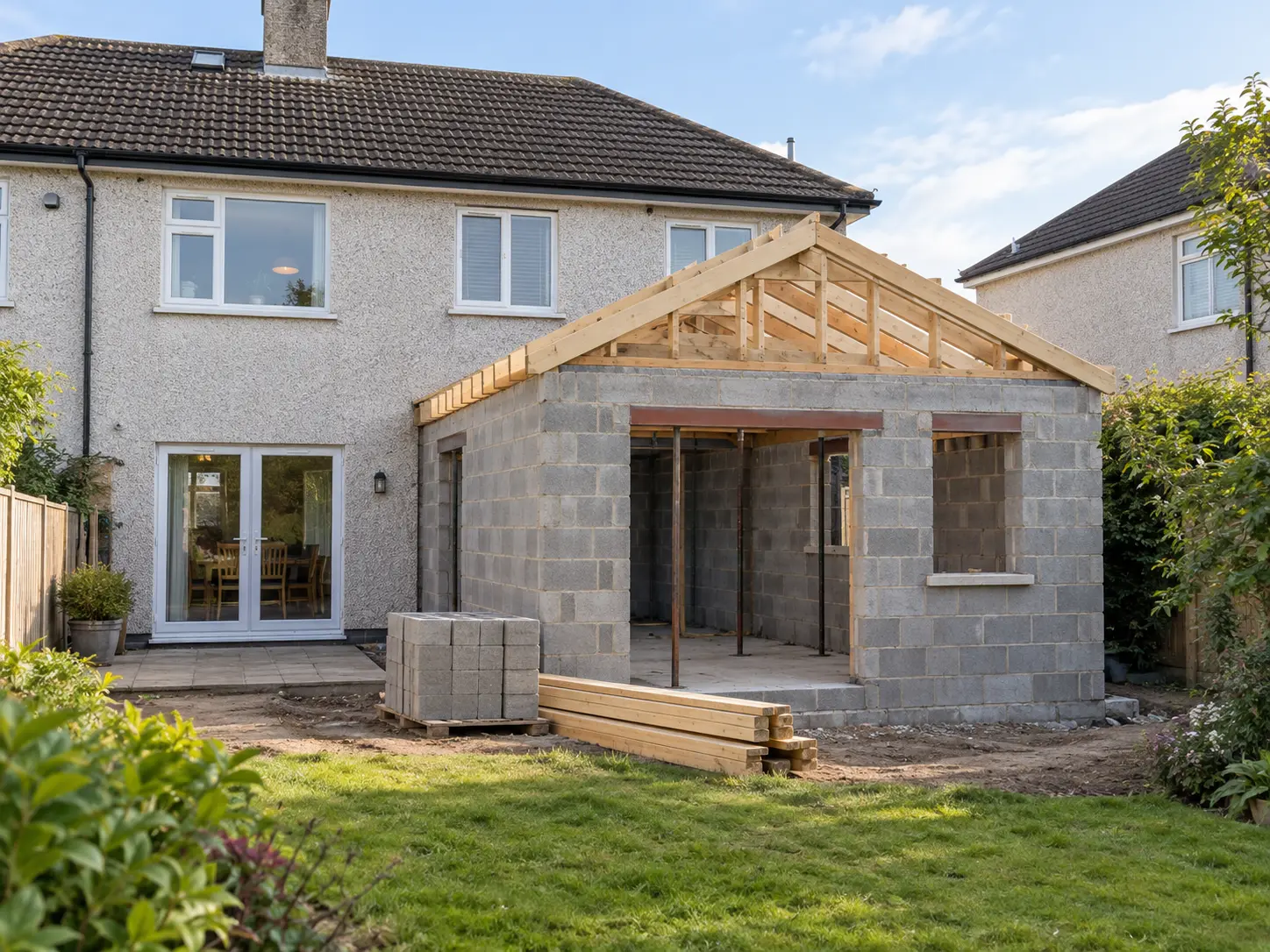
What to tell your insurer before work starts, contractor insurance, and updating cover once it is done.
Read guide
What to ask your insurer, rebuild cost, batteries and what to check before you compare cover.
Read guideThis page summarises publicly available guidance current as of September 2026. It is not a substitute for checking directly with the bodies below, and figures, rates and policy terms can change after publication.
Home insurance is one part of your household bills. Browse our other Home Upgrades and Household Services guides to see what else could suit your household.
Explore Household Services