

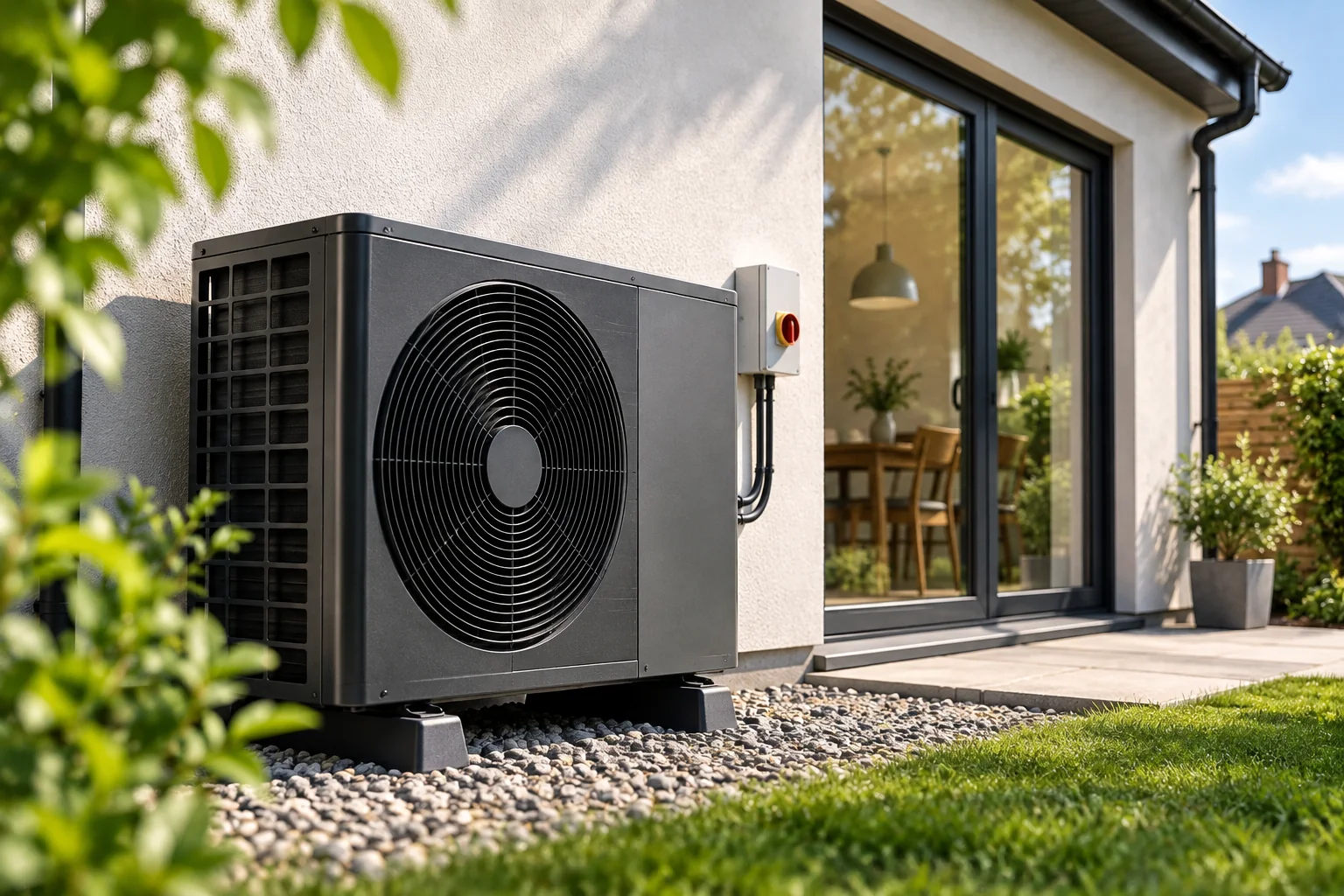
Air to Water, Air to Air and Ground Source Heat Pumps Explained
How the main types of domestic heat pump actually differ from each other.
Read guideAn independent guide to heat pumps for homes in Ireland: what makes a home a strong candidate, why your Heat Loss Indicator matters more than your BER, radiators, positioning and noise, current grants, and what to check before requesting quotations.
Four steps to help you make an informed decision, in your own time.
Understand suitability, costs, grants and installation.
Review likely costs and available grants before requesting quotations.
Search the SEAI register and compare local installers.
Request and compare quotes from your chosen installers.
Upgrader provides independent information and tools. We do not arrange quotations or recommend individual installers.
Installing a heat pump is a bigger change to how a home is heated than swapping one boiler for another, and the questions worth answering before you request quotations are not the ones most general explainers cover. This guide focuses on practical decision making: whether your home is a likely candidate, why your Heat Loss Indicator matters more than your BER letter, what happens to your existing radiators, where an outdoor unit can realistically go, current grant support, indicative installation and running costs, and what to check before and during installation. This guide focuses on the air to water heat pump most homeowners in Ireland mean by the term. See our guide to air to water, air to air and ground source heat pumps if you want to confirm which type applies to your project first.

Heat pumps suit some homes more easily than others, and a few practical factors will tell you a lot before you contact an installer.
None of these factors rule a heat pump out on their own. A proper Heat Loss Indicator assessment, either from a valid BER or an SEAI registered Technical Advisor, is the only way to confirm suitability for your own home.
A Building Energy Rating is a useful general indicator, but it is not the figure that determines heat pump grant eligibility. That figure is your Heat Loss Indicator, a measure of how much heat your home loses for each degree of difference between inside and outside temperature.
Two homes with a similar BER can have different Heat Loss Indicators, depending on wall construction, window performance and how consistently insulation has been installed. Based on current SEAI guidance, the standard threshold for the Heat Pump System Grant is a Heat Loss Indicator of 2.0 W per K per square metre or lower. A home between 2.0 and 2.3 may still qualify where additional SEAI criteria are met. The figure is confirmed either by a valid BER or by a Technical Assessment carried out by an SEAI registered Technical Advisor. Homes built before 2007 usually need a Technical Assessment unless a valid BER already shows this figure directly. Homes built from 2007 onwards do not need one under the current process, though one can still be arranged.
A reputable installer or SEAI registered Technical Advisor will confirm your Heat Loss Indicator before you commit to a system size or a quotation. Treat any suitability claim made without this figure with caution.
A gas or oil boiler typically heats water to a high temperature in short bursts, then stops until the next call for heat. A heat pump generally works the other way: it runs for longer periods at a lower flow temperature, extracting heat from the outside air even in cold weather rather than burning fuel to generate it directly.
This difference matters for your radiators. Radiators sized for a boiler's higher flow temperature may not give out enough heat at the lower temperatures a heat pump typically runs at, particularly in larger rooms or poorly insulated parts of a home. Some rooms may need larger radiators, and underfloor heating, which already works at lower temperatures, tends to suit a heat pump particularly well.
This is exactly why a proper room by room heat loss calculation, not a general estimate, should be part of any heat pump quotation. This is covered further in Comparing quotations below, and in more depth in our guide to checking whether your radiators need upsizing.
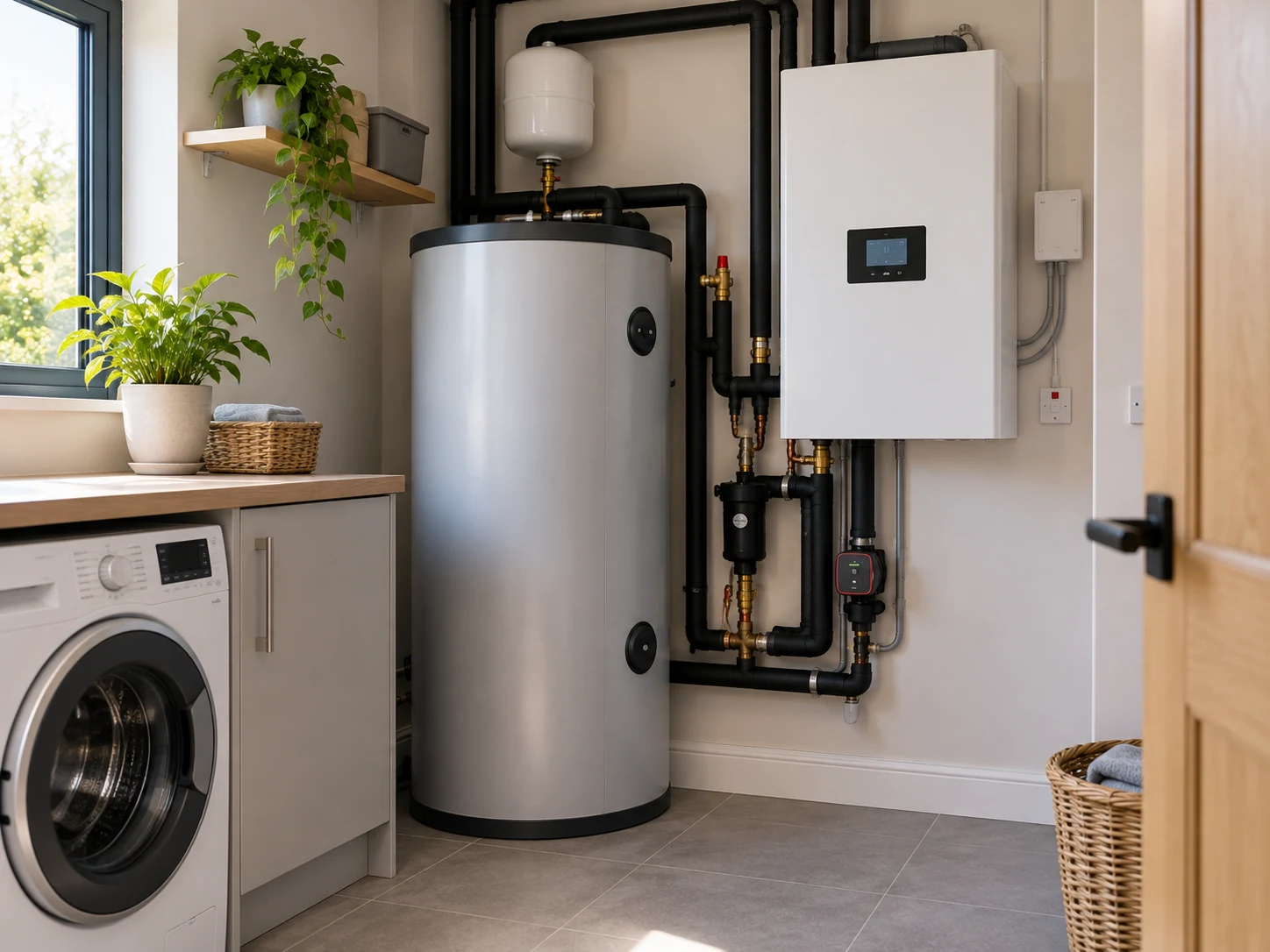
A heat pump system usually needs more indoor space than a combi boiler. A hot water cylinder stores the water the heat pump heats, since most heat pumps do not produce hot water instantly on demand the way a combi boiler does.
Alongside the cylinder, expect a buffer or expansion vessel, controls and, depending on the system, an indoor unit. A home without an existing hot water cylinder, or with a small hot press, may need to find new space for this equipment, commonly in a utility room, attic or garage.
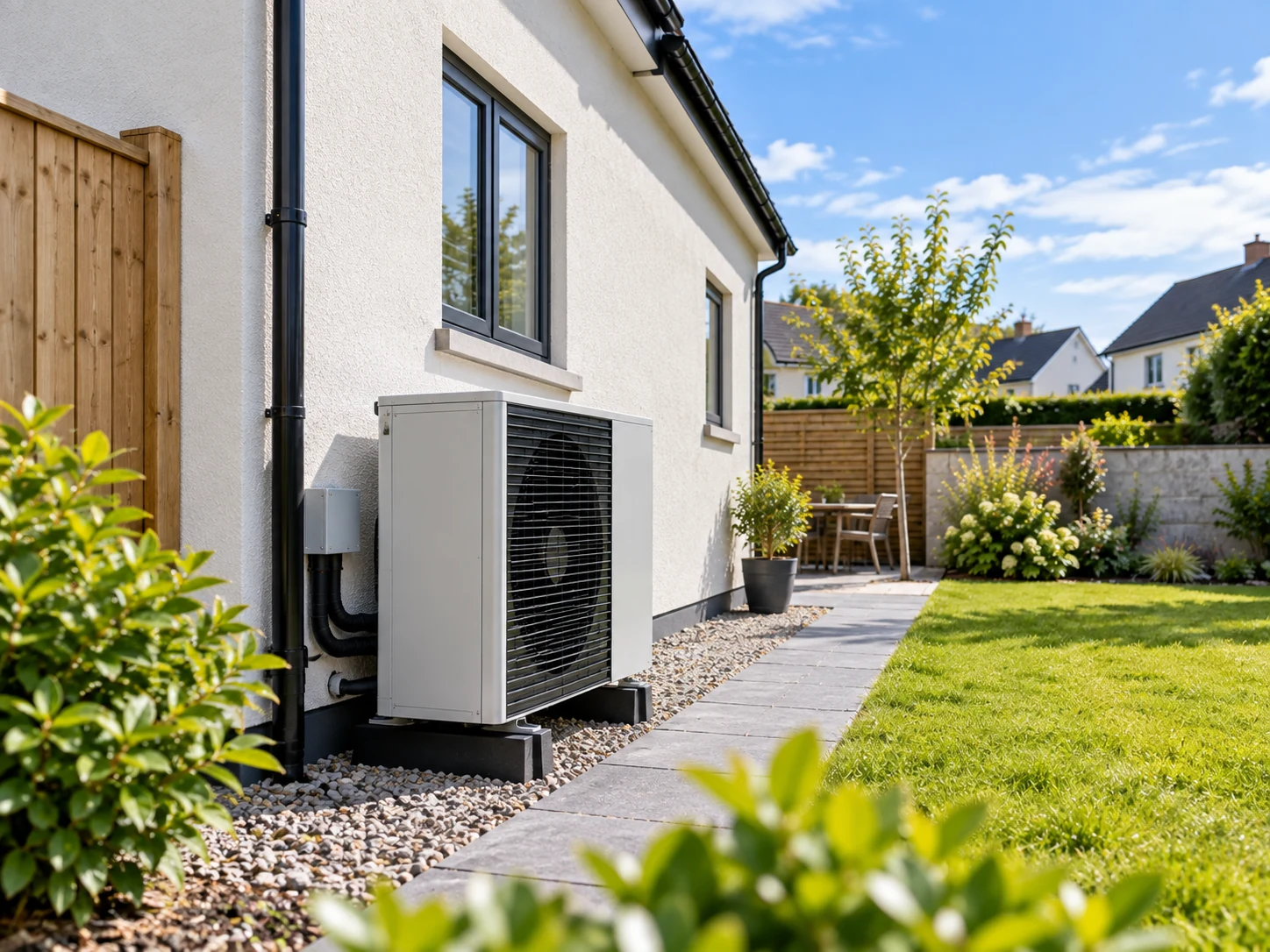
The outdoor unit needs a clear, ventilated spot outside the home, close to where indoor pipework can connect through an external wall, and clear of boundaries, gates and airflow obstructions.
Domestic heat pumps are generally exempted development in Ireland, so planning permission is not usually required, subject to current planning conditions. Since 27 July 2026, the exemption is no longer limited to the rear of the house, though its other conditions still apply. Protected structures, conservation areas or any doubt should be checked with your local planning authority first.
Noise is part of the planning exemption itself. One of its conditions is that the unit's noise in normal operation must not exceed 43 dB(A), or 5 dB(A) above background noise if that is greater, measured at the nearest neighbouring inhabited dwelling. Site the unit away from your own and any neighbouring bedroom windows, and ask your installer for the manufacturer's published sound rating for the model quoted. See our guide to heat pump noise ratings for how to read and compare that figure between quotations.
Planning exemption conditions can change and can depend on your specific property. If you are in any doubt, confirm the current position with your local planning authority before installation.
A heat pump is not always the first upgrade to make. Where a home has a Heat Loss Indicator well above the level needed to qualify for grant support, or where wall and attic insulation has never been upgraded, addressing the building's fabric first, or at the same time, often produces a better outcome than installing a heat pump onto a home that is still losing a lot of heat.
An SEAI registered Technical Advisor or BER assessor can tell you whether insulation upgrades would meaningfully improve your Heat Loss Indicator before you commit to a heat pump quotation.
The main financial support for a home heat pump in Ireland is the SEAI Heat Pump System Grant. Based on currently published SEAI guidance:
Grant amounts, thresholds and conditions can change, and eligibility also depends on factors specific to your home and its history. Always confirm the current grant amount and your own eligibility directly with SEAI before assuming a grant applies to you.
The €2,000 Boiler Scrappage Grant is only paid as part of an eligible heat pump installation that replaces your existing system. SEAI does not fund a new oil or gas boiler. If your heat pump application was already in progress when the grant was announced, SEAI has said eligible homeowners will receive the additional support. See our guide to new SEAI grants from October 2026 for the other changes that took effect on 6 October 2026.
Work through the Heat Pump Readiness Check below to see how the practical factors on this page apply to your home, or if you already feel informed enough to take the next step, search for heat pump installers in Ireland now.
Every home is different, so the figures below are indicative planning ranges cross-checked across independent Irish cost research, not a quotation for your own project. The only way to know what your installation will actually cost is to get written quotations from more than one SEAI registered installer, based on your own home's Heat Loss Indicator and a room by room heat loss calculation.
Typically in the region of €9,000 to €18,000, fully installed, before grant support. Most straightforward retrofits on an averagely sized home cluster towards the lower half of this range, with larger homes, bigger radiator changes or more complex sites pushing costs higher.
Typically in the region of €15,000 to €30,000, fully installed, before grant support. The main driver is the ground works, horizontal trenching or a vertical borehole, which air to water systems do not need. See our guide to heat pump types for why this system suits fewer retrofits.
Coverage varies between installers, but a typical quotation for an air to water system usually covers the outdoor unit, indoor controls and a buffer or expansion vessel, a hot water cylinder, standard pipework and wiring to connect the system, and commissioning and handover. Always confirm in writing exactly what your own quotation includes.
The ranges above are before grant support. For an eligible home, current SEAI grant support can reduce the net cost by up to €14,500 for a house or €11,500 for an apartment, but the actual reduction depends on how your quotation splits cost between the heat pump itself, radiators and pipework, and whether an eligible existing heating system is being removed, since each part of the grant is capped separately. Ask your installer to show your quotation both before and after the grant amount they expect you to qualify for.
Two quotations for what looks like the same job can differ substantially. The main factors are your Heat Loss Indicator and the system size it points to, the specific brand and model quoted, how many radiators need to change, the hot water cylinder specified, any electrical work required, site access, and whether the price shown is before or after grant support and whether VAT is included. See What to check before and when comparing quotations below for a fuller checklist.
The figures on this page are indicative ranges for planning purposes, drawn from independent Irish cost research. They are not a quotation, an estimate for your specific home, or a guarantee of what you will be charged. Only a written quotation from an SEAI registered installer, based on your own home, tells you what your installation will actually cost.
What a heat pump costs to run, and whether it saves money against your current system, depends on your own home and how you use it. There is no single figure that applies to every household, and the following all make a genuine difference:
You may see marketing claims that switching to a heat pump saves a fixed percentage, such as 40 percent, on heating costs. A figure like this depends entirely on the factors above, especially the fuel and system it is being compared against, so it may not apply to your own home. Ask an installer to base any savings comparison on your own Heat Loss Indicator, required flow temperature and current fuel costs, not a generic industry figure.
The clearest way to see how these factors apply to your own home is to work through the Heat Pump Readiness Check below, which asks about the practical factors that drive both suitability and running costs.
Answer a few practical questions about your home to get a personalised summary of what to check before requesting quotations. This is an educational starting point only. It does not determine whether your home is suitable for a heat pump.
Most air to water heat pumps quoted in Ireland are built one of two ways. A monobloc system contains all its refrigerant components in a single outdoor unit, so only water pipes cross the wall into the home, which keeps the indoor installation relatively simple. A split system divides the components between an outdoor unit and an indoor unit connected by refrigerant pipework, which needs a qualified refrigerant handling installer but keeps the water circuit indoors. With a monobloc, the water pipes running out to the unit need to be insulated and protected against frost.
This is a genuine practical difference, but it is not usually a decision a homeowner needs to make unprompted. Your installer should recommend the type that suits your home and confirm clearly which one is being quoted. For the fuller picture of how air to water, air to air and ground source heat pumps differ, see our guide to heat pump types explained.
Heat pump quotations and marketing often quote efficiency figures. Knowing what they actually mean helps you compare quotations on a like for like basis.
COP, Coefficient of Performance, is measured under a single standardised laboratory condition, so it is a snapshot rather than a year round figure. SCOP, Seasonal Coefficient of Performance, averages performance across a full heating season under a range of standard conditions, and gives a more useful basis for comparing likely real world running costs between products.
Neither figure is a guarantee for your own home. Published COP and SCOP figures come from standardised testing, not your specific property, and actual performance also depends on your home's heat loss, how the system is sized and commissioned, and how you use its controls.
Design flow temperature, the temperature of the water leaving the heat pump for your radiators or underfloor heating, matters because a heat pump generally becomes less efficient the higher the flow temperature it needs to produce. This is exactly why the room by room heat loss calculation and radiator sizing covered above matter: a system designed and sized to run at a lower flow temperature will generally run more efficiently than the same system forced to run hotter because radiators are undersized.
Ask each installer to state the SCOP for the specific model quoted, not just a generic COP figure, the design flow temperature the system has been sized to run at for your home, and whether that flow temperature is based on your own room by room heat loss calculation rather than a general assumption.
Two heat pump quotations that look similar on paper can involve very different levels of preparation. Before comparing prices, make sure you can answer the following for each quotation.
Upgrader.ie does not rank, rate or recommend individual installers. This checklist is here to help you ask the right questions and compare answers, not to tell you which company to choose.
Every project varies, but most home heat pump installations in Ireland follow a broadly similar sequence, and understanding it helps you judge how much disruption to expect.
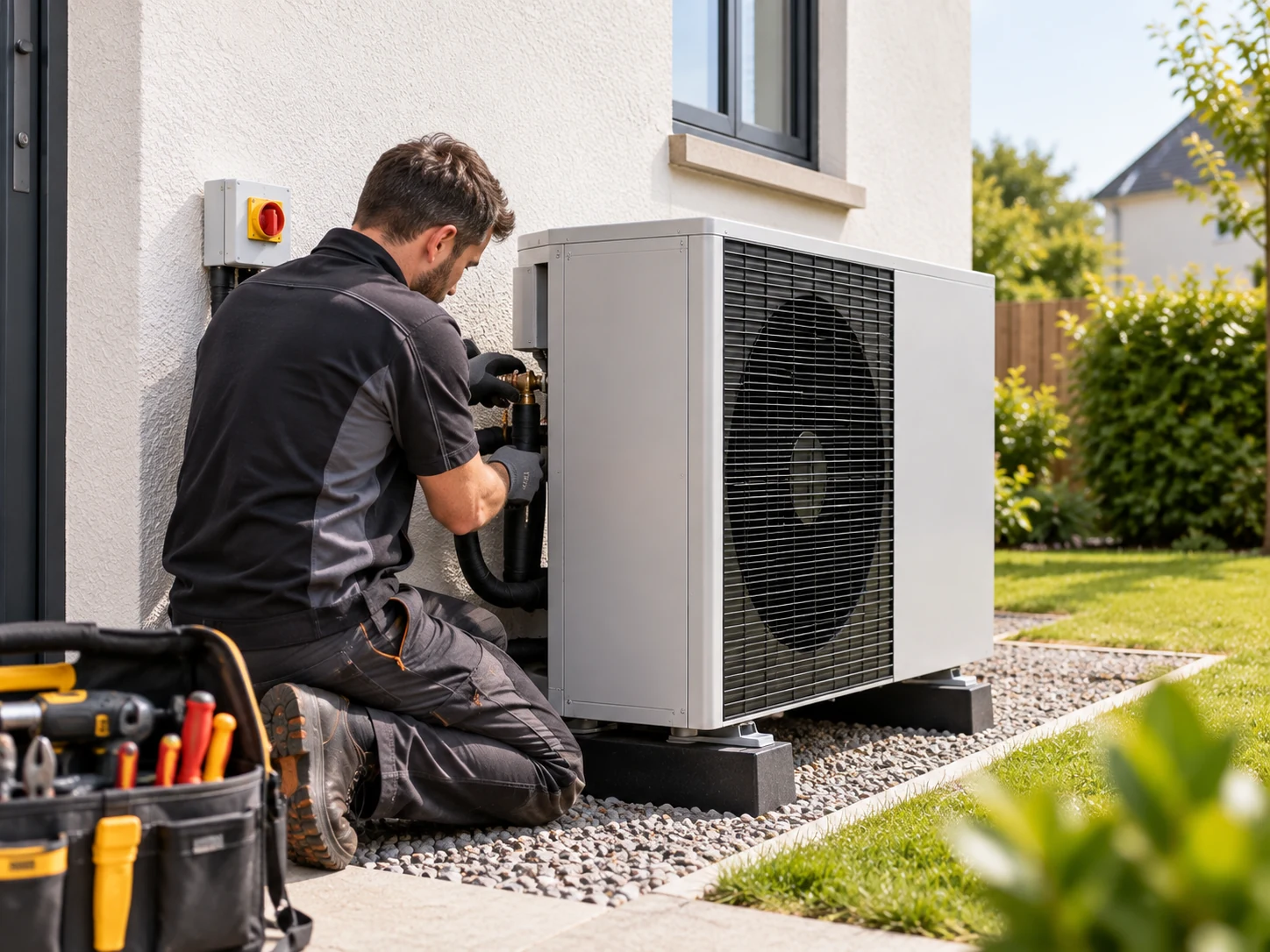
Get quotes from more than one SEAI registered installer, and arrange a Technical Assessment if your home needs one to confirm your Heat Loss Indicator.
Once you have chosen an installer and a system, a grant application is made to SEAI and confirmed before work begins.
The outdoor unit, indoor equipment and hot water cylinder are fitted, with any radiator changes carried out alongside. This typically takes longer than a boiler swap, and your heating and hot water may be off for periods during the work.
The system is wired in, commissioned and set up, including controls and any smart heating features.
A Building Energy Rating assessment is completed after the works and published, which is required before your grant is paid.
Heat pumps often need controls adjusted over the first few weeks as you learn how the system responds, particularly compared with how a boiler behaved.
Not on its own. Grant eligibility and a realistic picture of suitability depend on your Heat Loss Indicator, a specific measure of how much heat your home loses, rather than your BER letter alone. Two homes with a similar BER can have different Heat Loss Indicators. See Why heat loss matters more than your BER rating above.
Not necessarily. Heat pumps typically run at lower flow temperatures than a boiler, so some radiators sized for a boiler may need to be upsized, while others may already be adequate. A proper room by room heat loss calculation from your installer should confirm which, if any, need to change.
Domestic heat pumps are generally treated as exempted development in Ireland, subject to conditions in current planning regulations, so planning permission is not usually required. Protected structures, architectural conservation areas and any doubt about your own property should be checked with your local planning authority. See Positioning your outdoor unit above.
Since 6 October 2026, the Heat Pump System grant is made up of three separately capped parts: up to €10,500 for the heat pump system, up to €2,000 towards radiators, pipework or other central heating upgrade works, and a €2,000 Boiler Scrappage Grant where an oil, gas or solid fuel system or electric storage heating is removed. That gives a combined maximum of up to €14,500 for a house, but many homes will qualify for less. For an apartment, the qualifying maximum is up to €11,500. Always confirm the current amount and your own eligibility directly with SEAI.
Based on independent Irish cost research, an air to water heat pump typically costs in the region of €9,000 to €18,000 fully installed before grant support, and a ground source system typically costs more, roughly €15,000 to €30,000, mainly due to ground works. These are indicative planning ranges, not quotations, and eligible homes can reduce the net cost with SEAI grant support. See What does a heat pump cost to install in Ireland above for what is usually included and what can add to the price.
Not by a fixed amount. Running costs and any savings depend on your home's heat demand, the system's seasonal efficiency, the flow temperature it needs to run at, your electricity tariff, your hot water demand, and the heating system and fuel you are replacing. A generic savings percentage quoted for another home will not necessarily apply to yours. See Running costs and potential savings above.
COP, Coefficient of Performance, is measured under one standard laboratory condition, so it is a snapshot rather than a year round figure. SCOP, Seasonal Coefficient of Performance, averages performance across a full heating season and gives a more useful basis for comparing likely real world running costs between quotations. Neither figure guarantees what you will see on your own electricity bill, since actual performance also depends on your home and how the system is installed and set up. See COP, SCOP and flow temperature above.
No. Upgrader.ie is an independent information resource. We do not install heat pumps, and we do not currently have installer partnerships.
900+
Heat pumps installed under SEAI home energy grant schemes in the first quarter of 2026, up 18 percent on the same period last year
Department of Climate, Energy and the Environment, 21 April 2026
Heat pump installations remain well behind solar PV in volume, but the year on year growth shows steady momentum. With grant support recently increased and a defined Heat Loss Indicator threshold now central to eligibility, the practical groundwork covered on this page, confirming your Heat Loss Indicator, understanding what happens to your radiators, and checking outdoor unit positioning, is becoming relevant to a wider group of homeowners in Ireland.
Go deeper on some of the questions covered above.
How the main types of domestic heat pump actually differ from each other.
Read guide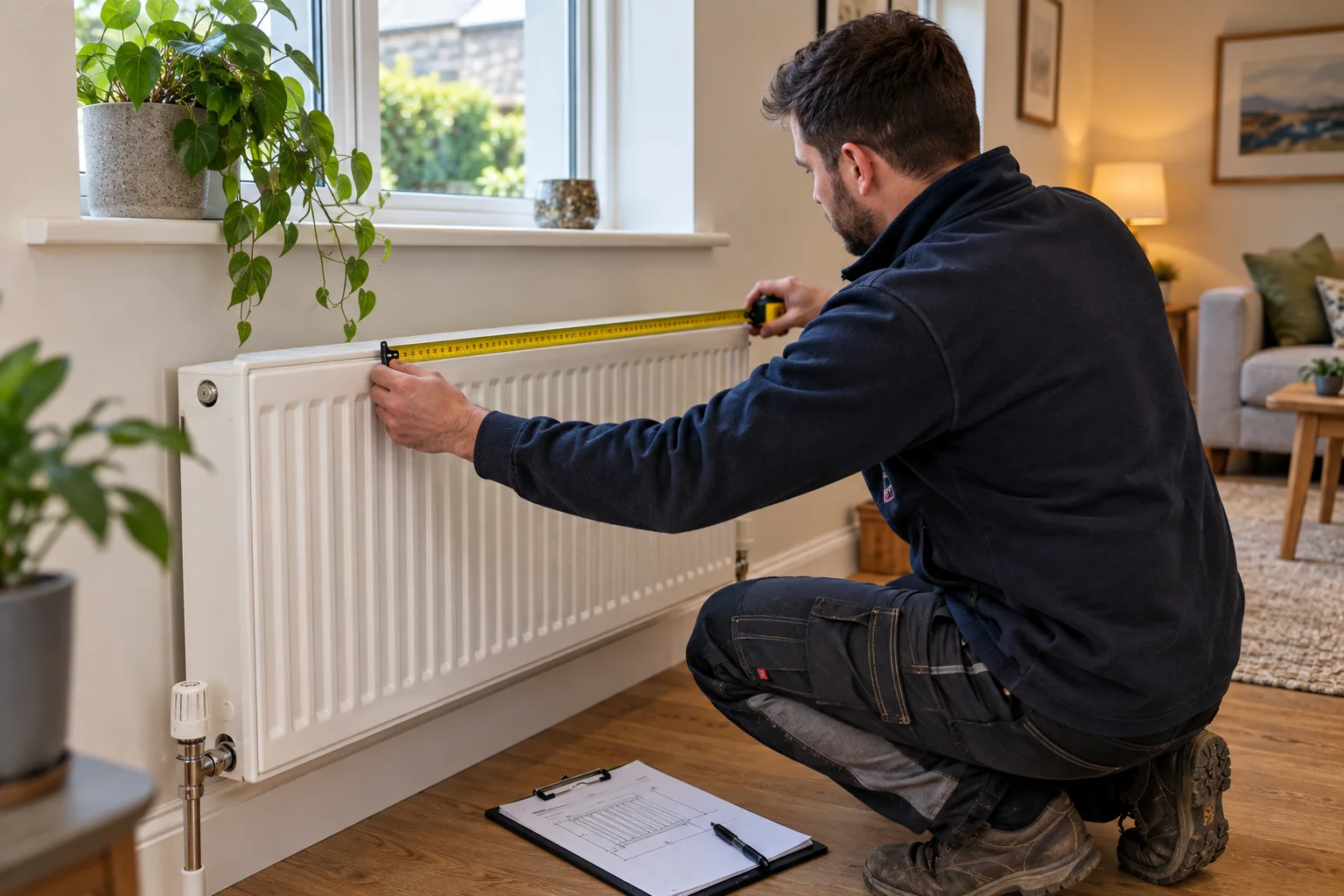
What a proper room by room radiator assessment involves, and what to ask an installer.
Read guide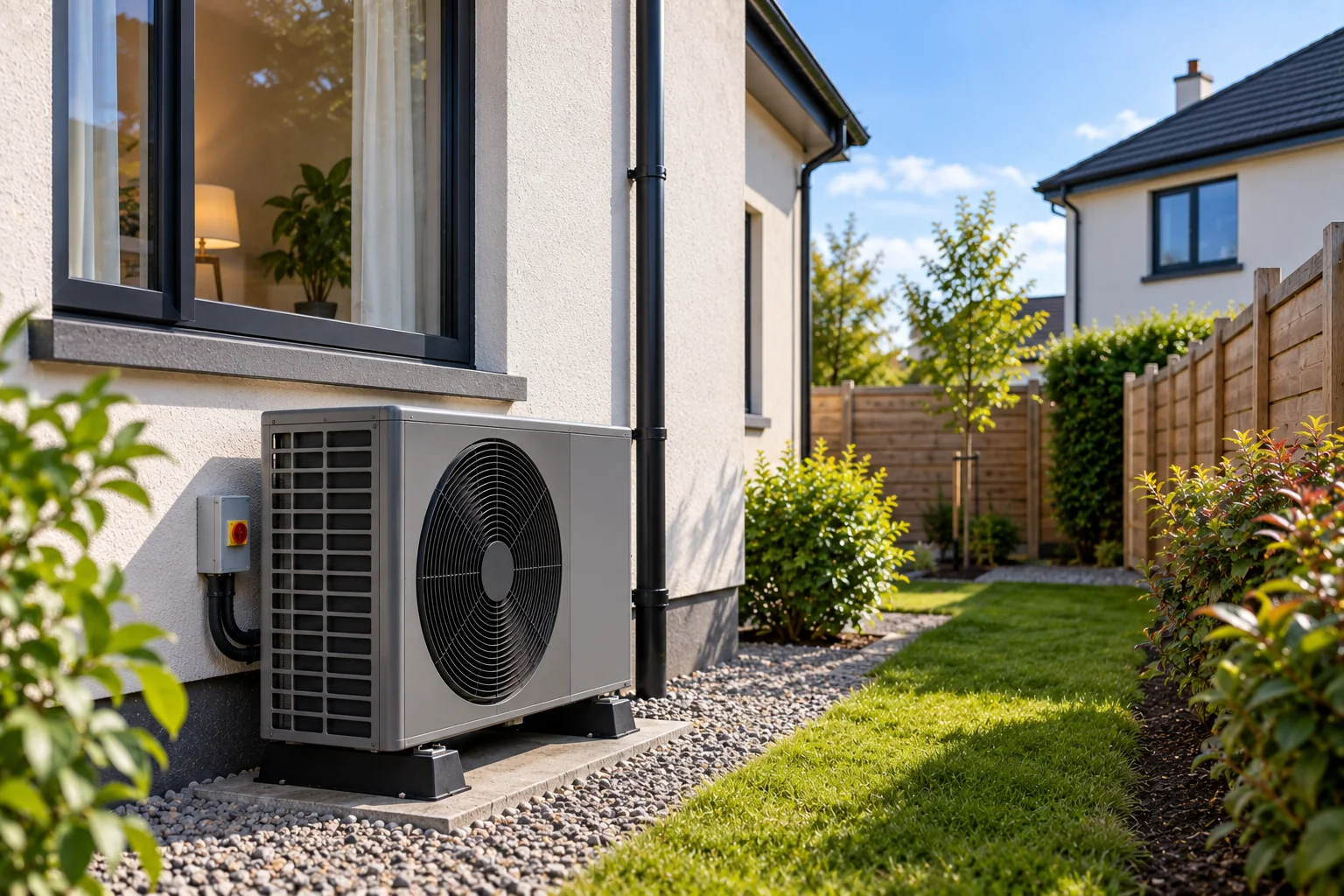
How to read a manufacturer's sound figure and compare noise between quotations.
Read guideGrants, eligibility and technical requirements are checked against official SEAI material. Indicative installation costs are cross-checked across independent Irish market sources, since no official published cost data exists for typical installation prices.
Grant amounts, eligibility conditions and market pricing can change. This guide is reviewed periodically, but always confirm current grant amounts, your Heat Loss Indicator requirement and application steps directly with SEAI, and confirm actual costs with your own written installer quotations, before making a decision.
Work through the Heat Pump Readiness Check for a sense of how suitable your home is, or if you already feel informed enough to take the next step, search for heat pump installers in Ireland and contact the ones that interest you directly.
Browse companies registered with SEAI for this upgrade
Review company details before you get in touch
Contact installers directly, with no obligation and no middleman
Upgrader.ie is an independent information resource. We do not currently have installer partnerships, and listing a company does not imply endorsement or vetting. See Our Partnerships.