
How to Compare Bin Collection Costs Using Your Household's Usage
A worked example: two hypothetical households run through the same three charging plans.
Read guideAn independent guide to household waste collection in Ireland: how the system actually works, checking which licensed collectors serve your address, comparing pay by weight, pay by lift and allowance based plans, and what to have ready before you choose or switch, plus a free Waste Collection Check.
Household waste collection in Ireland is provided by private, permitted collectors rather than a single national service, so what is available to you and what it costs both depend on your address. This guide sets out how the system works, how to check which collectors actually serve you, how the main pricing models differ, what to check on any plan beyond the headline price, and what belongs in each waste stream.
Unlike electricity or broadband, there is no single network you connect to. Understanding who does what makes it much easier to know who to contact and what to expect.
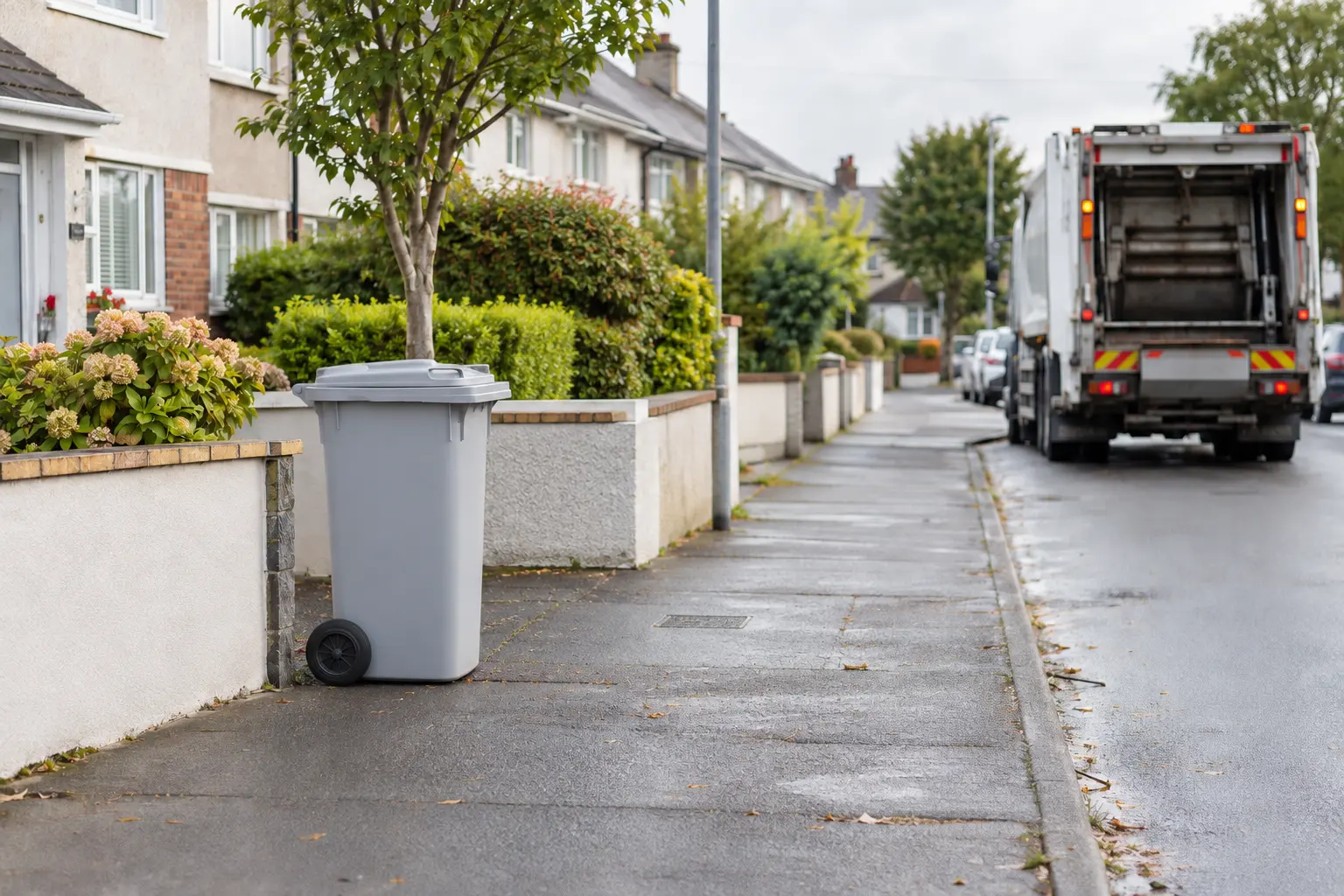
A collector's national advertising does not confirm they operate on your specific road. Before comparing any prices, confirm which permitted collectors genuinely serve your address.
The National Waste Collection Permit Office register at nwcpo.ie lists every current waste collection permit and the areas each one covers. Mywaste.ie, Ireland's official waste information site, brings together collector contact details and local authority guidance in one place and is a useful starting point if the permit register feels technical.
If you are choosing between collectors that do serve you, ask each one directly for their current household price list, since published national guide prices do not always match what is offered locally.
Anyone collecting household waste in Ireland is required to hold a valid waste collection permit for your area. Before signing up, you can check a collector's permit status and permitted areas directly on the National Waste Collection Permit Office register, rather than relying on a company's own claims.
For a worked example comparing bin collection costs once you know who serves your address, see our guide to how to compare bin collection costs using your household's usage.
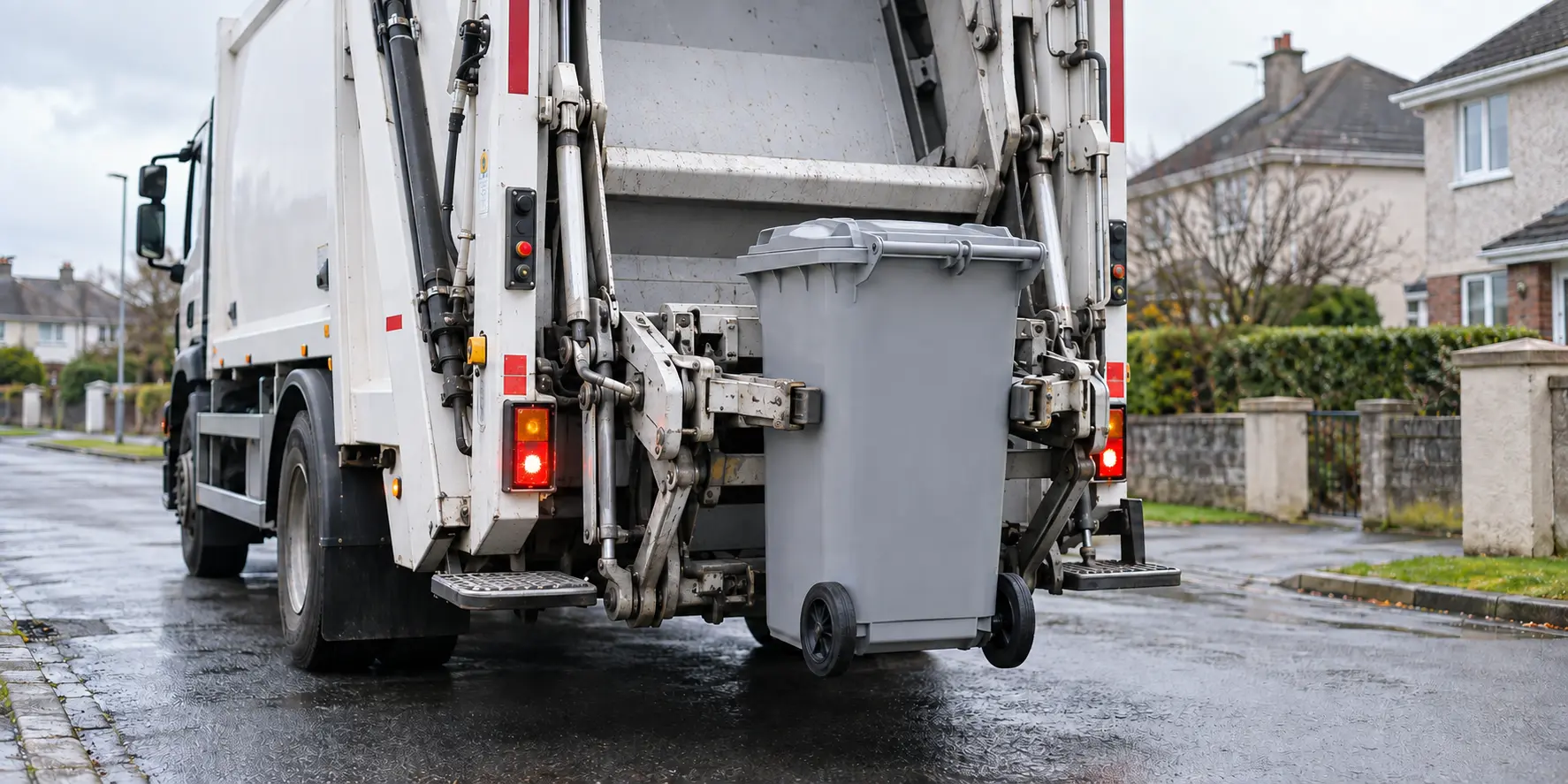
Flat rate, all you can put out charging was phased out from 2017. Collectors were left free to choose their own usage based pricing model, so the same headline price can work very differently between two collectors.
A pay by lift plan charges a set amount each time a bin is presented for collection, regardless of weight. A pay by weight plan charges by the kilogram. An allowance based plan includes a set number of lifts or a set weight within a standing charge, with an excess charge once you go over it.
None of these is simply cheaper than the others in every case. The right structure depends on how much waste your household actually puts out, and how consistently.
The number that matters most on an allowance or weight band plan is not the base charge, but the excess rate once you exceed your included lifts or weight. A household that regularly goes over its allowance can end up paying more overall on a plan with a lower headline price than on one with a higher included allowance.
For a full breakdown of how pay by lift, pay by weight and allowance plans are actually charged, see our guide to waste collection charges, lift fees and weight charges explained.
Two households on the same plan can have very different bills once bin size and how often each bin is actually presented are taken into account. A larger bin collected less often can cost less overall than a smaller bin that needs to go out, and be charged for, more frequently.
When comparing cheap bin collection plans, the headline price is only part of the total cost. Standing charges, lift allowances, weight limits and excess fees can make a significant difference to what your household actually pays.
Answer a few questions about your household to see what deserves particular attention when you compare collectors. This tool does not check availability at your address, does not compare live collector prices, does not calculate savings, and does not recommend a specific collector. It is an educational starting point only.
Prefer to talk it through? A member of the comparison team can call you about the waste collection options available through the comparison service for your area.
Request a callback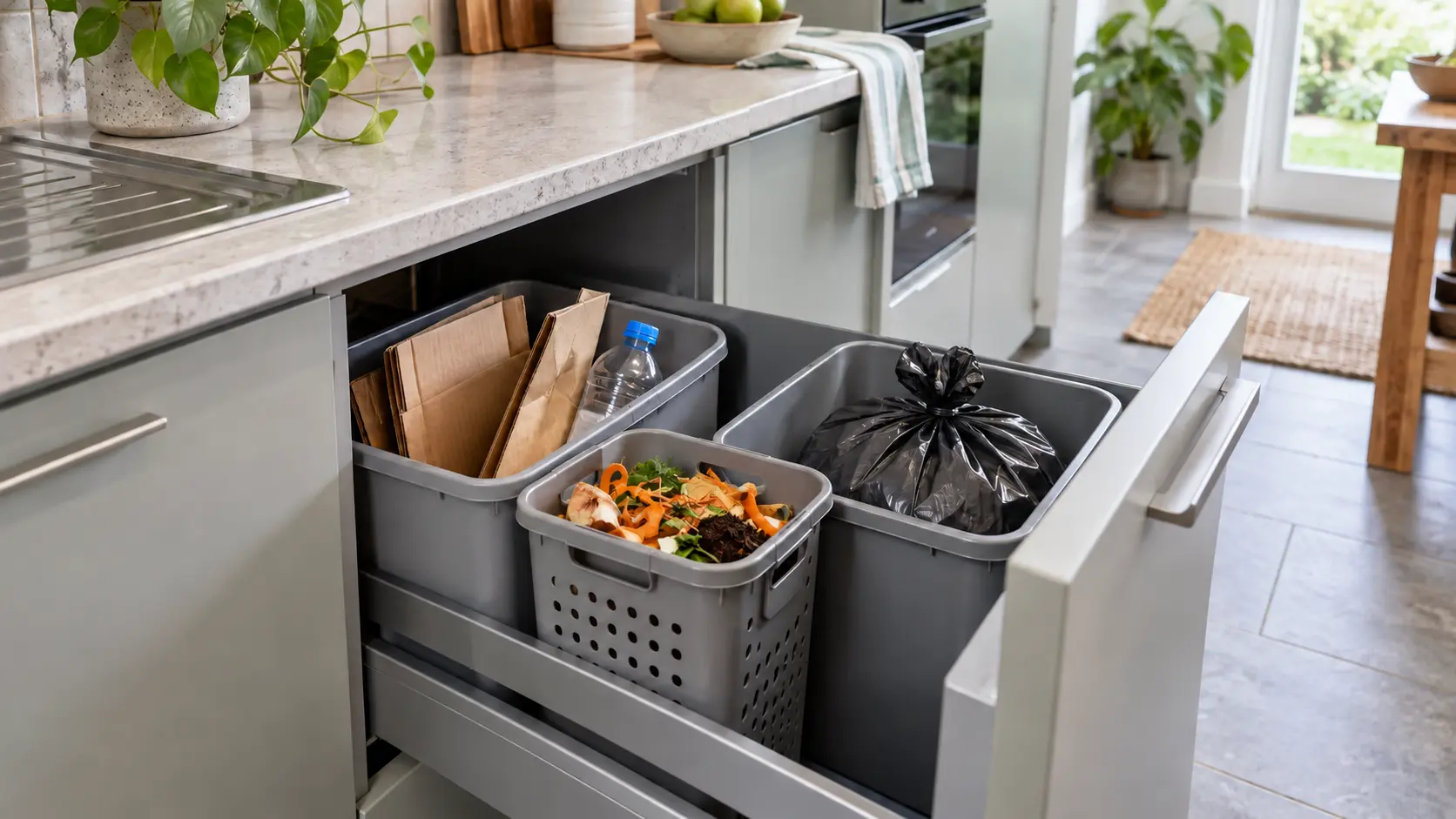
General (residual) waste is for anything that cannot go in recycling or food waste, such as nappies, sanitary items, broken crockery and non recyclable packaging.
Mixed dry recycling takes clean, dry and loose paper, cardboard, plastic packaging and metal tins or cans. Material should be empty and reasonably clean, and never bagged in plastic, since loose material is easier to sort correctly.
Food and garden waste, commonly collected in what is known nationally as the brown bin, takes raw and cooked food, plate scrapings, fruit and vegetable peelings and garden cuttings, with all packaging removed first.
Common mistakes include bagging recyclables in plastic, putting greasy or food soiled packaging such as pizza boxes into recycling, putting nappies, textiles or glass in the recycling bin, and putting small electrical items in any household bin. Contaminated recycling loads are often rejected or sent to landfill rather than recycled, so a small sorting mistake can undo an entire collection.
For a fuller breakdown of what belongs in each stream, and why bin colours are not a reliable guide, see our guide to what goes in general waste, mixed recycling and food waste.
Since 1 January 2024, waste collectors have been required to offer every household they serve a food waste collection, with an exception for households on offshore islands. Once this service is available to you, you are required to segregate food waste from general waste and recycling rather than putting it in either.
If a brown bin collection genuinely is not yet available at your address, or if you would rather not use one, home composting is a recognised alternative for garden and some food waste, though it does not suit every property or every type of food waste, particularly cooked food and meat. Where you are unsure whether a food waste collection applies to you, ask your collector directly rather than assuming an exemption.
Beyond kerbside collection, most local authority areas offer civic amenity sites and recycling centres for items that do not fit in a household bin, along with unstaffed bring banks for a smaller range of materials such as glass, cans and textiles.
These items need to be kept out of ordinary household bins, both because they are commonly not accepted and because some genuinely pose a safety or environmental risk.
Tell us what you would like help with and a member of the comparison team will contact you.
A member of the comparison team will contact you about your enquiry.
Upgrader.ie provides the information and the preparation on this page. We explain how household waste collection works and what to check before you choose or switch collector. Upgrader.ie is not itself a price comparison website and does not provide waste collection services.
Upgrader.ie explains what matters and helps you get ready to compare
The Waste Collection Check above helps you work out what your household needs
You arrange collection directly with the permitted collector you choose
Upgrader.ie is an independent information resource. If you request a callback, the plans discussed may not include every collector or plan serving your area. Check nwcpo.ie for permitted collectors at your address. Any switch is a decision between you and the collector you choose. See Our Partnerships.
These situations are common but each involves a slightly different process, so it helps to know what to expect before you need to act.
No. Upgrader.ie is an independent information resource. We explain how household waste collection works and what to check before choosing or switching collector. Upgrader.ie does not itself operate a price comparison service or provide waste collection.
Waste collection in Ireland is provided by private companies holding a waste collection permit, not by a single national service, and coverage varies by area. Use the National Waste Collection Permit Office register at nwcpo.ie to check which permitted collectors list your area, or check mywaste.ie, which brings together collector and local authority information for households. See Check which collectors actually serve your address above.
No. Flat rate, all you can put out charging was phased out from 2017, but collectors were left free to choose among several usage based pricing models, including pay by lift, pay by weight, weight bands and weight allowances. The specific structure depends on your collector, not on a single national rule. See What makes one waste collection plan different from another above.
Since 1 January 2024, waste collectors must offer every household they serve a food waste collection, commonly known as the brown bin, with an exception for households on offshore islands. Households are required to segregate food waste from general waste and recycling once this service is available to them. See Food waste obligations and brown bin alternatives above.
Not always. Basic dry recyclables are commonly accepted free of charge at civic amenity sites and bring banks, but bulky items, construction waste and some other materials often carry a charge that depends on the item, weight or vehicle type. Charges and accepted materials vary by local authority, so check your own council's current price list before a visit. See Civic amenity sites, recycling centres and bring banks above.
It depends on how you signed up. A contract agreed online generally carries a 14 day cooling off period. A contract agreed during an unsolicited doorstep sale generally carries a 30 day cooling off period. Confirm the specific terms with your collector, since arrangements can vary.
Have a question about your bin collection options? A member of the comparison team can call you.
Request a callbackThree companion guides that go further into comparing collectors, charges and sorting correctly.
A worked example: two hypothetical households run through the same three charging plans.
Read guide
How pay by lift, pay by weight and allowance plans actually charge for use.
Read guide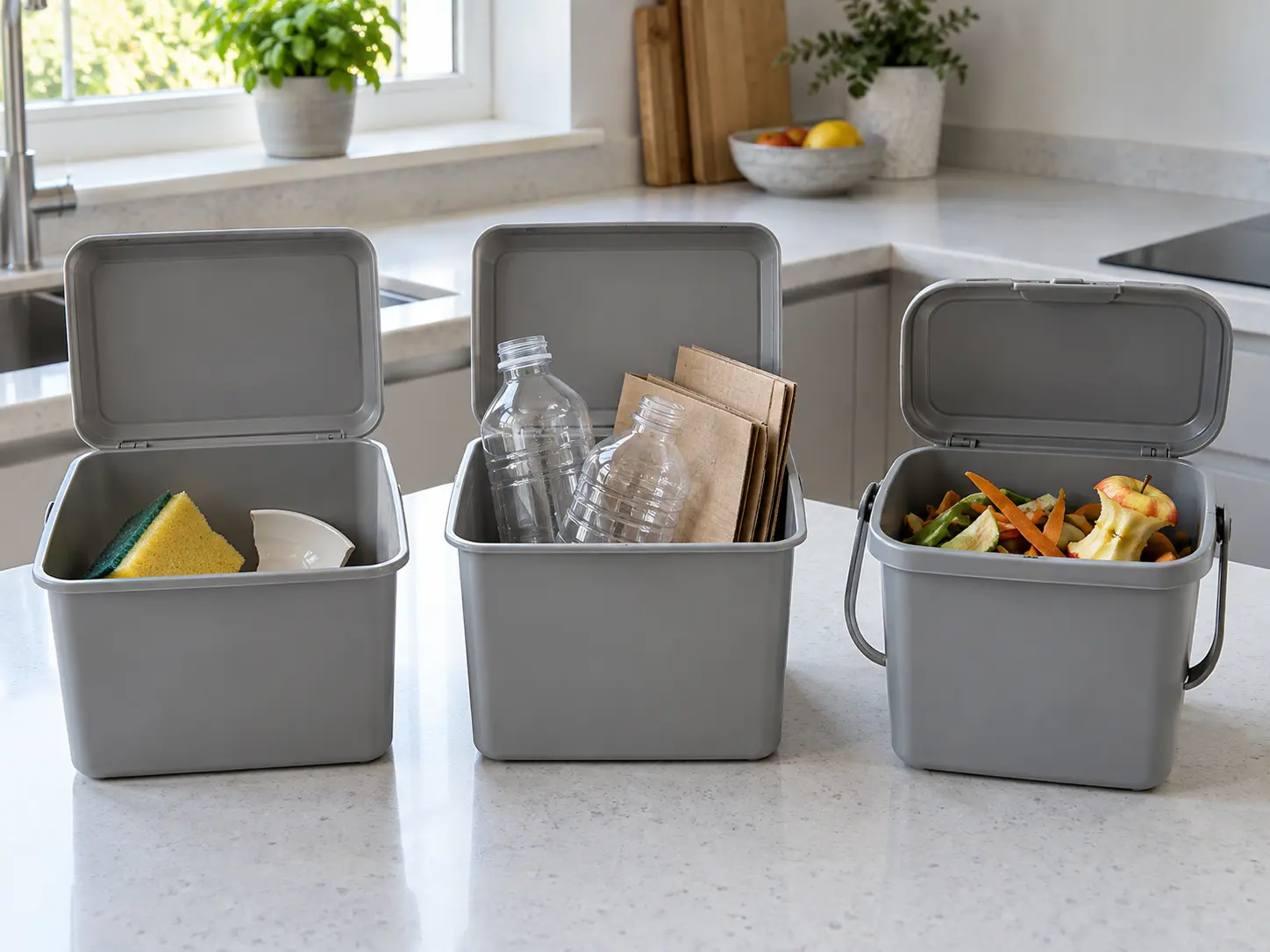
Sorting correctly by purpose, since bin colours are not standardised between collectors.
Read guideThis page summarises publicly available guidance current as of September 2026. It is not a substitute for checking directly with the bodies below, and permits, charges and scheme details can change after publication.
Waste collection is one part of your household bills. Browse our other Home Upgrades and Household Services guides to see what else could suit your household.
Explore Household Services