
What Broadband Speed Does Your Household Need?
How to work out what your household actually needs, based on usage, not the highest number in an advert.
Read guideAn independent guide to broadband in Ireland: what connection you can actually get at your address, the difference between broadband speed and WiFi performance, contracts and switching considerations, and what to have ready before you compare, plus a free Broadband Needs Check.
Broadband comparison usually starts with a list of packages and prices. The more useful starting question is different: what connection can you actually get at your address, and only once you know that, what should you compare. This guide sets out how to check what is available where you live, explains the difference between a fast incoming connection and good WiFi around the home, covers what genuinely changes one plan from another, and sets out what to have ready before you compare or switch.
Which of these is actually offered to you depends entirely on the infrastructure that reaches your address, not on which is generally considered best. Knowing the names helps you understand what a checker or a provider is telling you.
For how these connection types actually differ in practice, including upload speed and consistency at busy times, see our guide to full fibre, part fibre and mobile broadband explained.
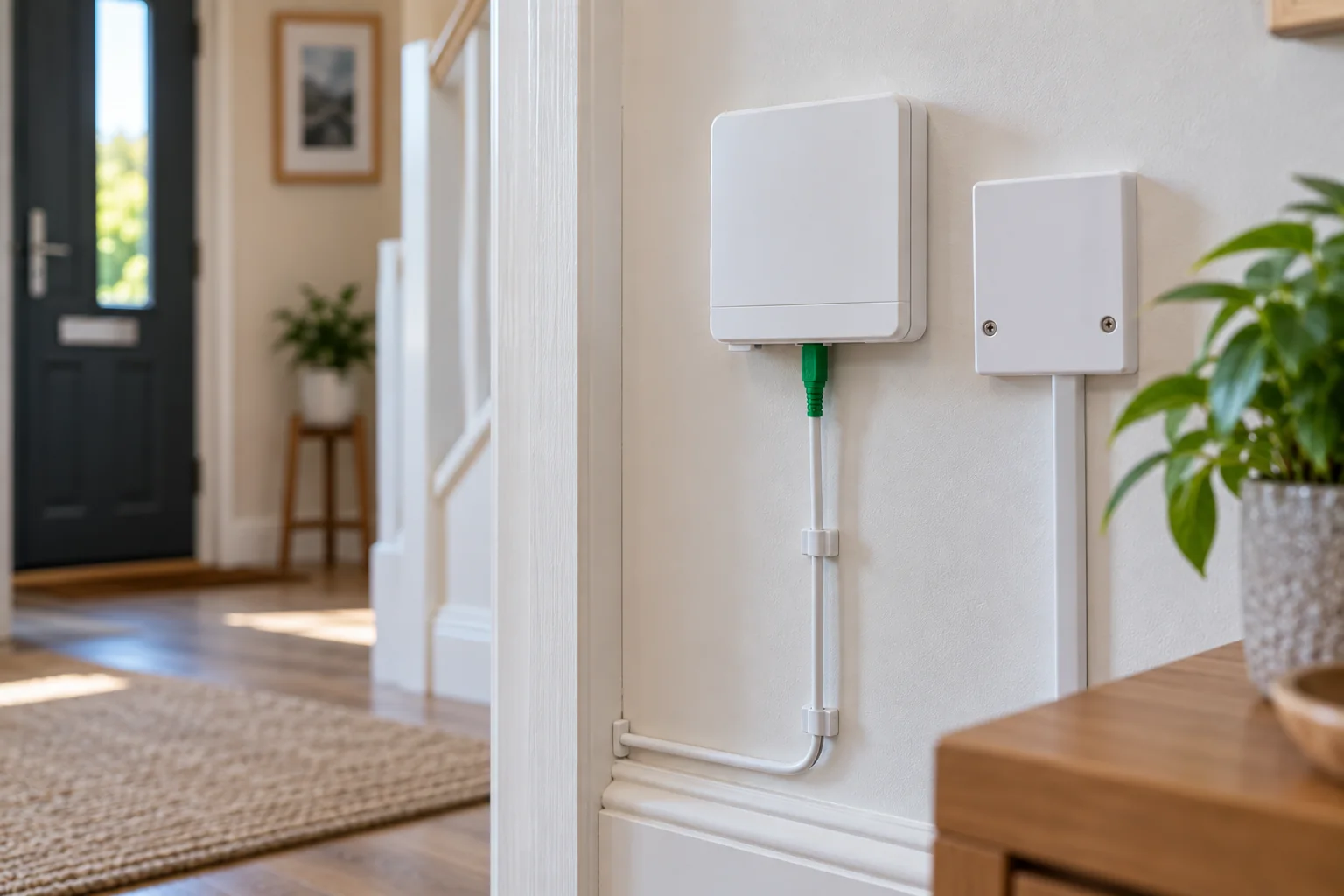
An attractive package is irrelevant if the connection type behind it does not reach your address. Fibre coverage has expanded significantly across the country, but it is not yet universal. Two addresses on the same road can have different options, depending on which networks have reached each one.
Before comparing any prices, check your own address using an Eircode or address based checker from National Broadband Ireland, Open Eir or SIRO. This tells you which network operators and connection types genuinely serve your address, rather than what is advertised nationally.
If your address falls inside the National Broadband Plan area, being listed as passed by the rollout is not the same as being ready to order a live connection today. Confirm the current status for your specific address before assuming coverage has arrived.
Comparing prices before checking availability can waste time comparing plans you cannot actually order. Confirm the connection type and provider options at your specific address first, then compare price, speed and contract terms only within what is genuinely available to you.

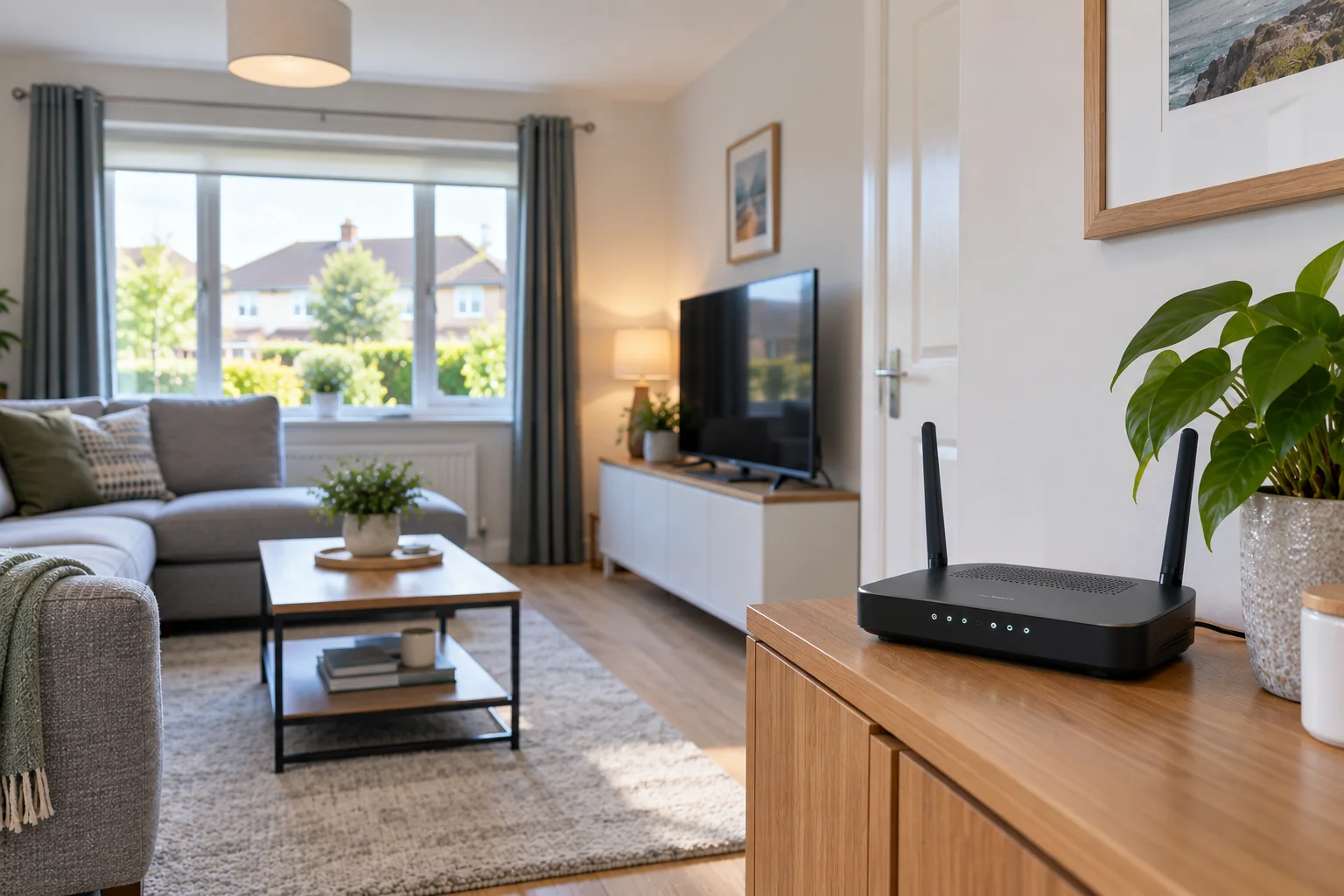
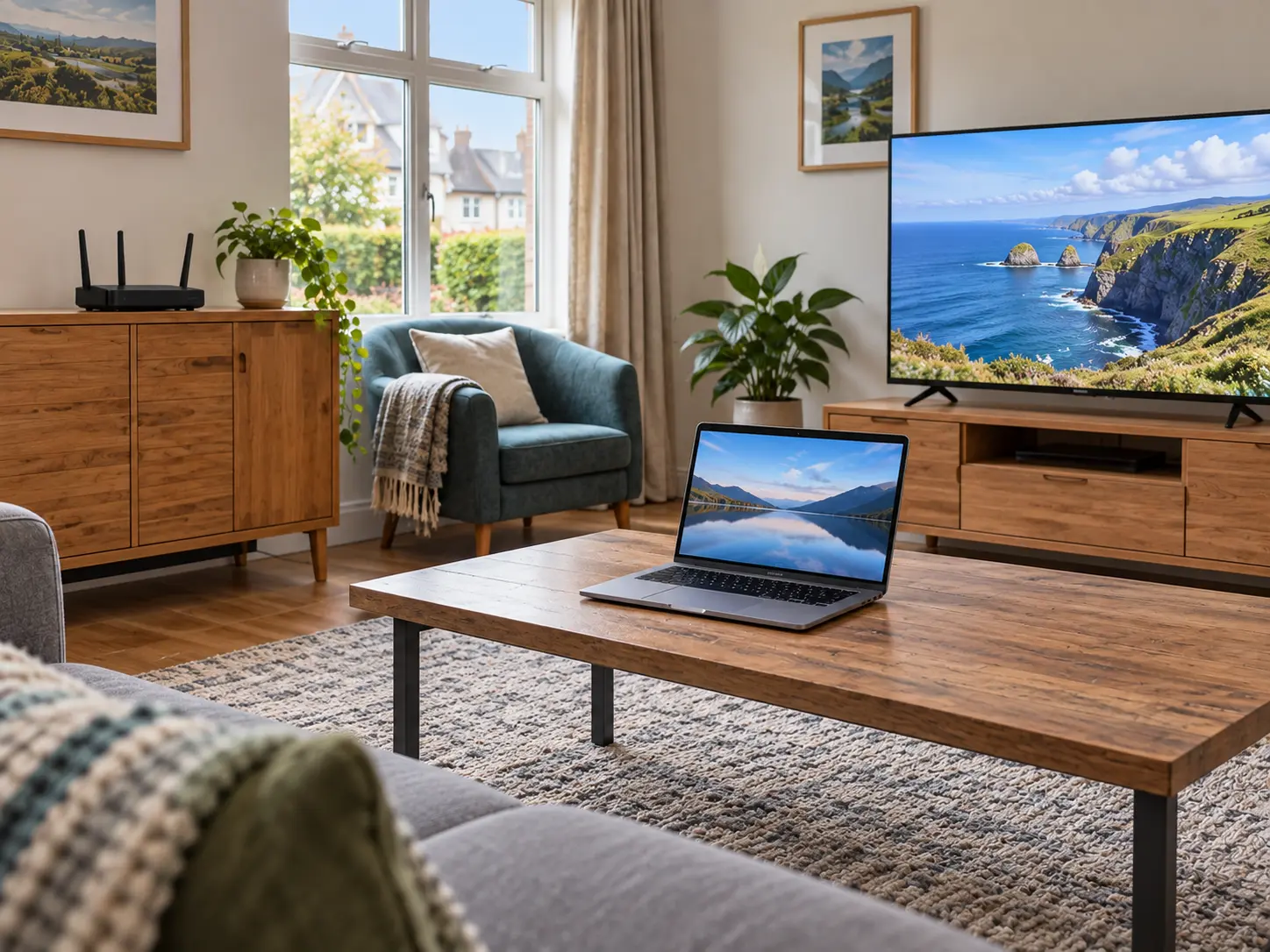
A household can have a genuinely fast connection entering the property, yet still have poor WiFi in one bedroom or at the far end of the house. Broadband speed is how much data reaches your router. WiFi performance is how well that connection then reaches around the home, which depends on distance, walls and interference, not on your plan.
If your connection tests well near the router but a particular room is consistently weak, moving to a more expensive plan is unlikely to help. Try repositioning the router to a central, open location first, or consider a mesh WiFi system for a larger or older home, before paying for extra speed you may not be able to use where it matters.
Once you know what is available at your address, the right plan depends on how your household actually uses its connection, not on the highest number in an advert.
For a fuller walkthrough of how to weigh these factors against each other for your own household, see our guide to what broadband speed does your household need.
Answer a few questions about your household to see what deserves particular attention when you compare plans. This tool does not compare live broadband plans, does not check availability at your address, does not recommend a specific provider or package, and does not quote a required speed. It is an educational starting point only.
Prefer to talk it through? A member of the comparison team can call you about the broadband plans available through the comparison service for your address.
Request a callbackWhen comparing cheap broadband deals, it's important to look beyond the introductory price. Once you know what is available at your address, check the ongoing monthly cost, contract length and additional charges before choosing a plan.
Having a few details ready makes any comparison faster and more accurate, whether you are checking availability or contacting a provider directly.
Tell us what you would like help with and a member of the comparison team will contact you.
A member of the comparison team will contact you about your enquiry.
Upgrader.ie provides the information and the preparation on this page. We explain connection types, speed and what to check before you compare, so you can choose a broadband plan with confidence. Upgrader.ie is not itself a price comparison website and does not sell or switch broadband plans.
Upgrader.ie explains what matters and helps you get ready to compare
The Broadband Needs Check above helps you work out what your household needs
You check availability and switch directly with the provider or service you choose
Upgrader.ie is an independent information resource. If you request a callback, the plans discussed may not include every provider or plan available at your address. Check availability at your address directly with National Broadband Ireland, Open Eir or SIRO. Any switch is a decision between you and the provider or service you choose. See Our Partnerships.

For the full switching process, including notice periods, contract terms and what to have ready, see our guide to how to switch broadband provider in Ireland.
No. Upgrader.ie is an independent information resource. We explain what affects broadband choice and what to check before comparing or switching. Upgrader.ie does not itself operate a price comparison or switching service.
Use an Eircode or address based checker, such as those provided by National Broadband Ireland, Open Eir or SIRO, to see which network operators and connection types serve your specific address. Availability depends on your infrastructure, not on what is advertised nationally, and can differ from a neighbouring address. See Check availability before comparing price above.
A fast connection entering your home does not guarantee a strong signal in every room. Distance from the router, thick walls, concrete floors and interference from other devices all weaken WiFi separately from your underlying broadband speed. If performance is poor only in certain rooms, this usually points to WiFi coverage or router placement rather than the broadband plan itself. See Broadband speed versus WiFi performance above.
It depends on whether the connection technology is changing. Switching between providers using the same type of connection at the same address can often be arranged with little or no gap. Moving to a different connection technology, or a new build address, is more likely to need a new installation, which can involve a waiting period. Ask any provider directly about lead time before ending an existing service. See What happens when you switch or activate broadband above.
Not always. Many broadband plans advertise an introductory price that applies for a limited period, after which the price rises to a higher ongoing rate. Check the length of the introductory period, the price that applies afterwards, and whether any exit fee applies if you decide to leave a fixed term contract early. See How to Compare Cheap Broadband Deals above.
Upgrader.ie is an information resource, not a price comparison website, and does not claim any accreditation. Confirm directly with ComReg how any accreditation or regulatory framework currently applies before relying on it.
Have a question about your broadband options? A member of the comparison team can call you.
Request a callbackFour companion guides that go further into speed needs, connection types, switching and rural broadband options.
How to work out what your household actually needs, based on usage, not the highest number in an advert.
Read guide
What each connection technology actually means, and how they differ in practice.
Read guide
How a managed switch actually works, and what to check before you start.
Read guide
How to check what reaches a rural address, and compare fibre, fixed wireless, mobile and satellite.
Read guideThis page summarises publicly available guidance current as of September 2026. It is not a substitute for checking directly with the bodies below, and availability, coverage and plan details can change after publication.
Broadband is one part of your household bills. Browse our other Home Upgrades and Household Services guides to see what else could suit your household.
Explore Household Services