
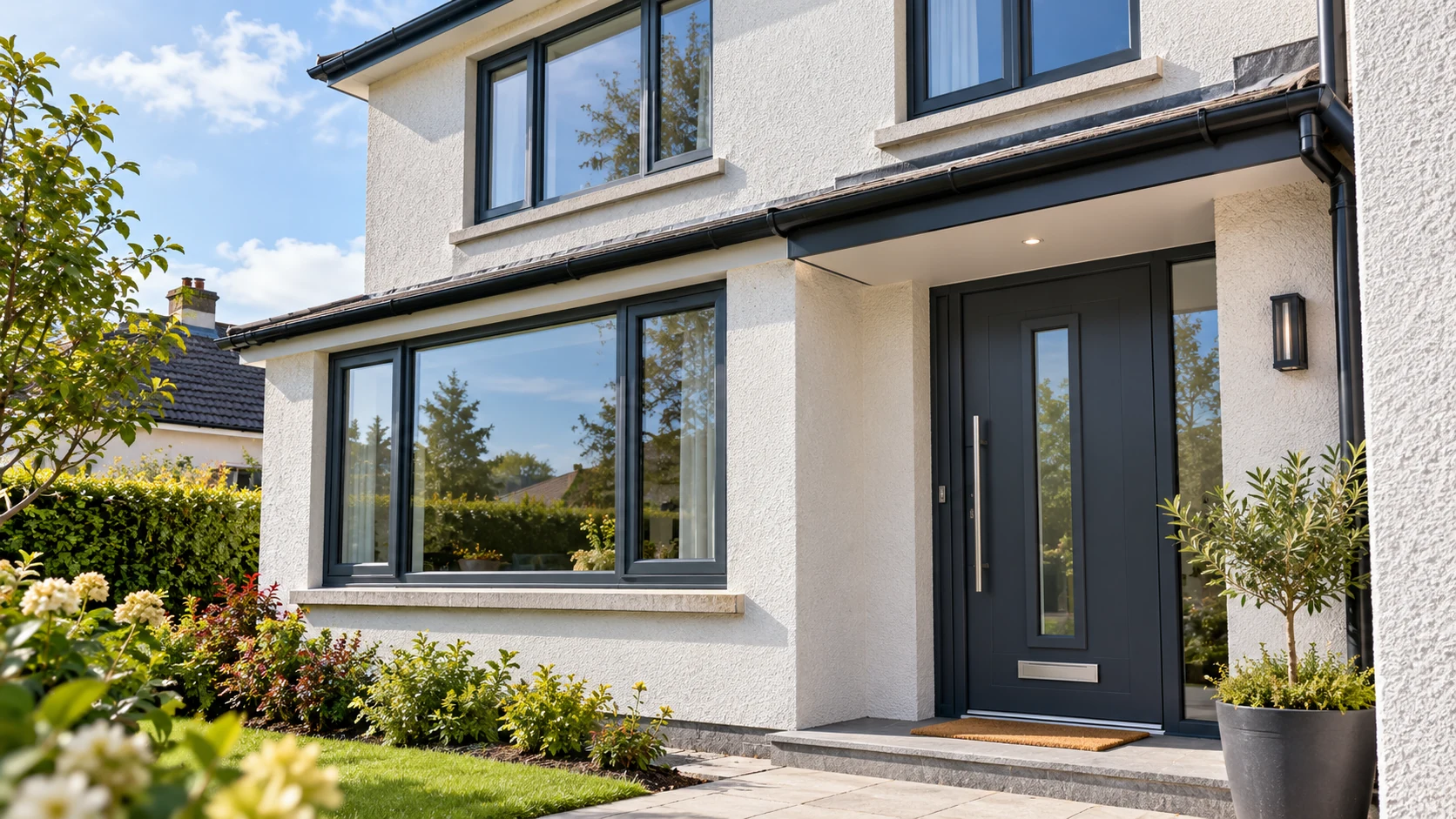
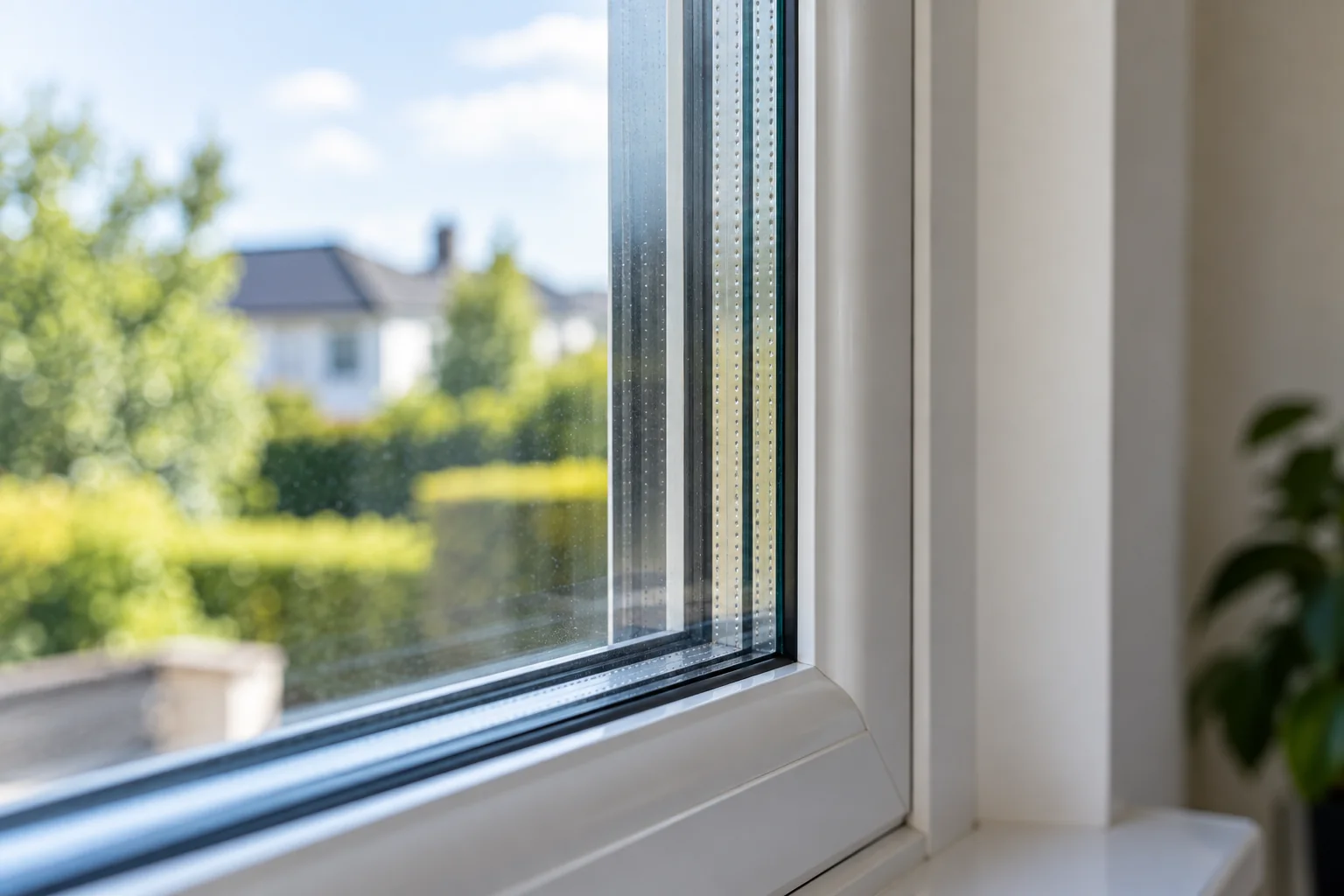
Can You Replace Failed Double Glazing Without Replacing the Window?
What determines whether a failed sealed unit can be replaced within its existing frame.
Read guideAn independent guide to replacement windows and doors for homes in Ireland. Before comparing glazing types or frame materials, it helps to work out whether replacement is actually the answer to what you are noticing, how performance, installation and current SEAI grants fit together, and what to establish before you request quotations.
Four steps to help you make an informed decision, in your own time.
Understand suitability, costs, grants and installation.
Review likely costs and available grants before requesting quotations.
Search the SEAI register and compare local installers.
Request and compare quotes from your chosen installers.
Upgrader provides independent information and tools. We do not arrange quotations or recommend individual installers.
Replacing windows or doors can genuinely improve comfort, airtightness, appearance and performance. But draughts, condensation and cold glass do not automatically mean the whole unit needs to go. This guide works through how to tell a repairable problem from a genuine case for replacement, what actually determines a window or door's real performance, what installation quality should look like, current SEAI grants explained in plain English, and what to check before you request quotations.
Window and door problems tend to get funnelled toward one answer, replace everything, but the symptoms below can come from quite different causes, and not all of them mean the frame or the glazing has actually failed. The table below is a starting point for asking better questions, not a diagnosis.
A failed sealed glazing unit, a worn seal, or a damaged hinge or handle can sometimes be repaired or replaced without replacing the complete window. Ask a window or door professional to assess the specific problem before assuming a full replacement is the only option.
Answer a few practical questions about what you are noticing to see what it may be telling you, and what is worth establishing before you request quotations. This is an educational starting point only. It does not survey your property or issue a replacement recommendation.
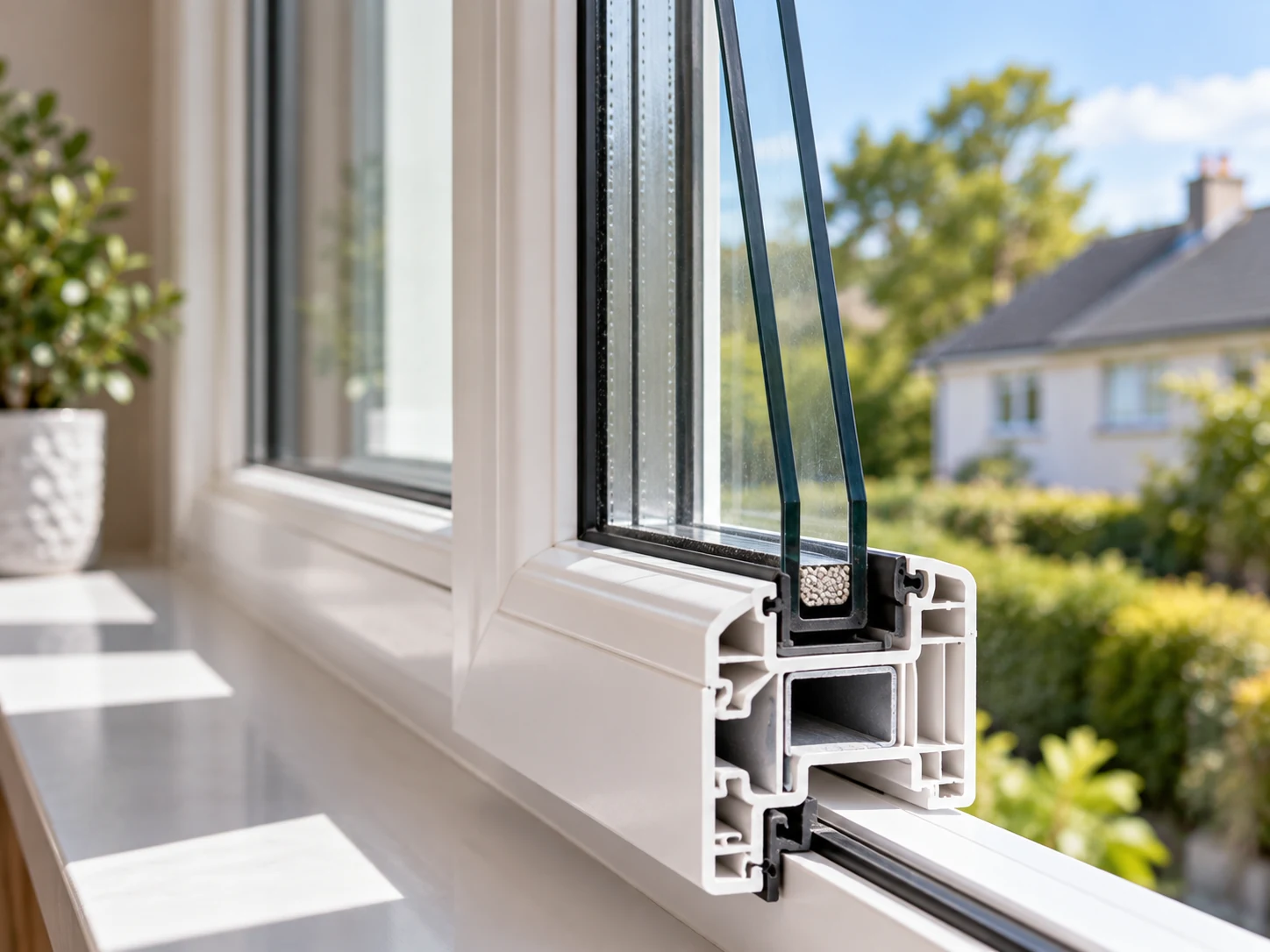
A window's real performance depends on the glazing, frame, seals, hardware and installation working together, not on the glass alone. That is why the words double glazing or triple glazing on a quotation tell you very little by themselves: two windows described the same way can perform quite differently depending on the rest of the assembly.
Ask for the whole window U value being quoted, not a centre pane or glass only figure, which describes only the best case performance of the glass. The whole window figure accounts for the frame and spacer too, and is what current Building Regulations and the SEAI grant use. See our guide to comparing window U values between quotations if you have more than one to compare.
Triple glazing can offer lower heat loss through the glass and a warmer feeling glass surface, which some households notice as a genuine comfort improvement near the window. It is heavier than double glazing, and the frame, hinges and hardware need to be specified to suit it rather than fitted as an afterthought. It can also reduce how much solar warmth enters a room, which is not always desirable.
Triple glazing is not automatically the right choice for every home, and we are not going to declare a winner here. What matters most is the whole window U value being quoted, not whether the marketing label says double or triple.
uPVC, timber, aluminium and composite systems all have genuine differences worth knowing about, mainly around maintenance, appearance and repairability.
We are not publishing price comparisons between these materials, since real world pricing depends heavily on the specific system, supplier and project.
The opening style you choose affects how a window or door is used day to day, how it seals, and how it is cleaned or maintained, on top of whatever glazing and frame material you specify. The comparison below is a general, practical starting point, not a recommendation for your own home.
Acoustic performance and solar behaviour are both whole window questions, not something the double or triple glazing label alone tells you.
How much outside noise a window keeps out depends on the glass specification, the seals, and how well the frame is installed, together, not on the number of panes on its own. Where noise is a genuine concern, such as a busy road or a flight path, ask your installer for the acoustic rating, usually expressed as an Rw value in decibels, for the specific glazing being quoted, and compare that figure between quotations rather than assuming triple glazing is automatically quieter than double.
Large areas of south or west facing glazing let in useful solar warmth in winter, but the same glazing can contribute to a room overheating in summer. Solar control glass, described by its g-value, reduces how much solar energy passes through the glass. A lower g-value cuts overheating risk but also reduces the free winter solar gain the same glazing would otherwise provide, so this is a genuine trade-off rather than a straightforward upgrade, worth discussing directly with your installer for any large or heavily glazed opening.
For a noise sensitive location or a large glazed opening, ask your installer to state the acoustic rating and the g-value being quoted for that specific glazing, not only whether it is described as double or triple glazed.
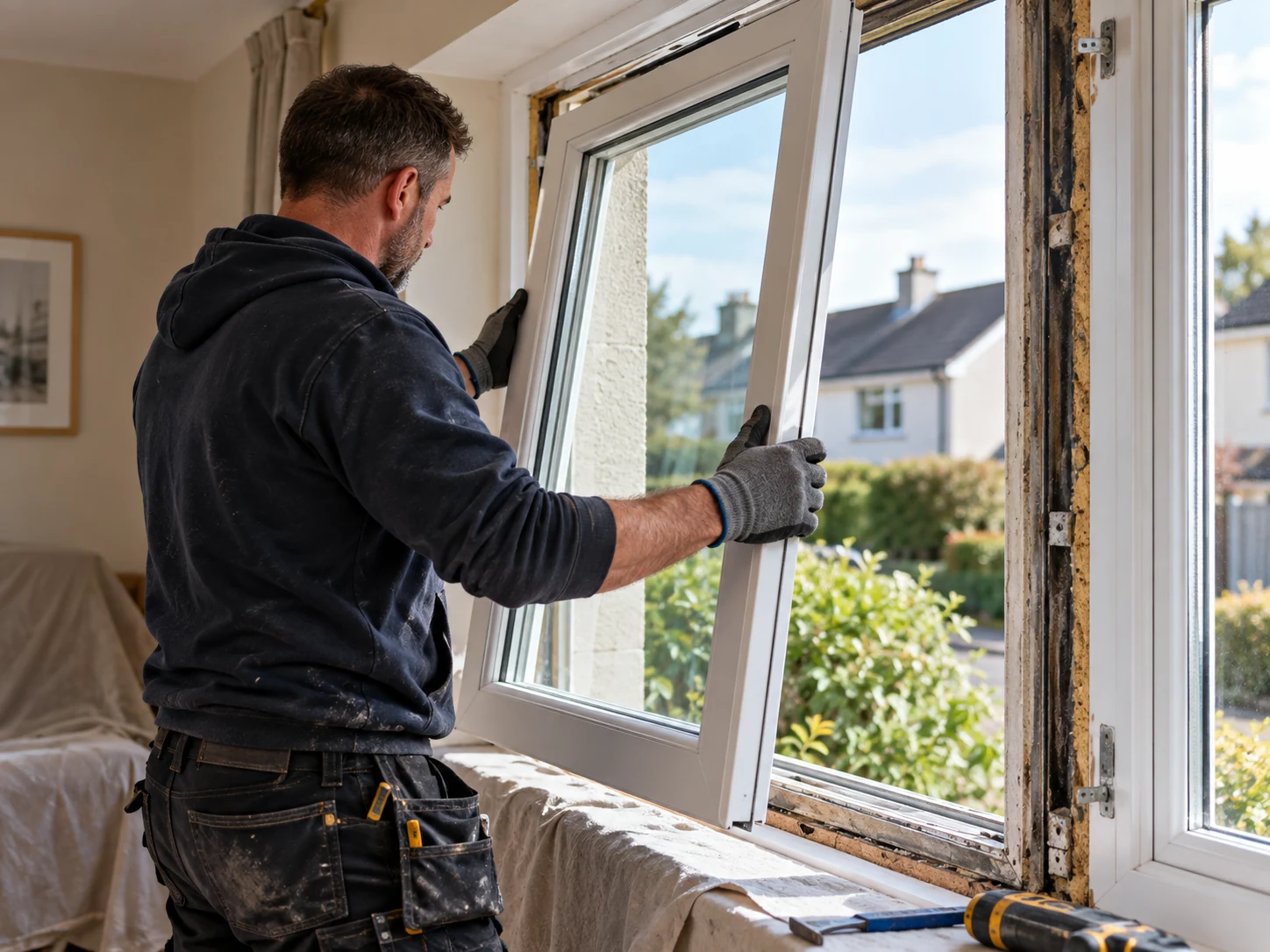
A high performing window can still cause problems if the opening is measured, prepared, fixed, sealed or finished badly. Installation quality is not a minor footnote, it is one of the main things separating a successful replacement from a disappointing one.
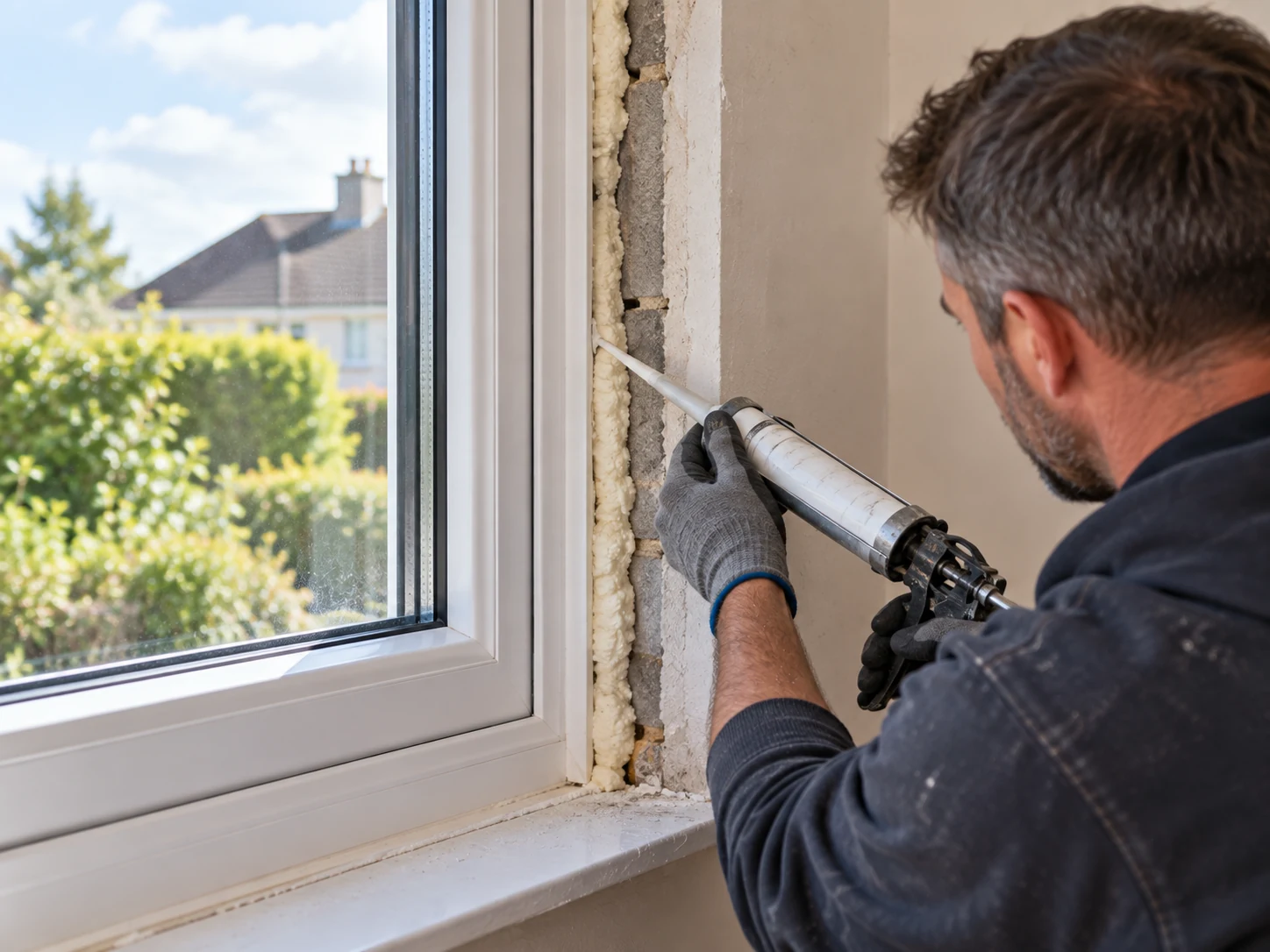
A window's tested performance is measured in a laboratory, not in your wall. Once it is fitted, the junction between the frame and the surrounding wall has its own effect on air leakage, draughts, thermal bridging, weather sealing and internal finishing.
Replacing the unit itself without addressing poor detailing around the opening can leave the original comfort problem only partly solved. This is not a diagnosis of any particular home, but it is a genuine and often overlooked part of the job.
When comparing quotations, ask how the installer will insulate and seal the space between the new frame and the wall, not only which window system they are supplying.
If external or internal wall insulation is also planned, the two projects should be coordinated rather than treated as unrelated jobs. Window position relative to the insulation layer, reveal depth, sill treatment, insulation continuity and thermal bridging at the opening can all be affected by which job happens first and how well the two contractors communicate.
Neither contractor may naturally think about the other's work unless you raise it. Speak to both before either project begins, and ask each one how they will treat the junctions their own work does not fully cover. See our Insulation guide for more on wall insulation methods and detailing, and our guide to coordinating windows and wall insulation work for the full sequencing checklist.
Whoever you engage first, ask them directly how their work will interact with the other project, and get both contractors' answers in writing before committing to a sequence.
Replacement windows and doors are usually more airtight than the older, poorly sealed units they replace. That is normally a good thing, but an older window's uncontrolled leakage may have been contributing to background air movement in a room without anyone noticing.
Ventilation is therefore worth considering as part of the same project, not as an afterthought once the work is finished. Existing background vents or trickle vents in a window are generally expected to be carried over into its replacement, and any room with an extract fan or another ventilation system should keep working as intended once the windows or doors around it are more airtight.
Ask any installer how ventilation will be maintained once your new windows or doors are fitted, particularly if you already notice condensation. This does not mean draughts were doing you any favours, it means airtightness and ventilation need to be considered together.
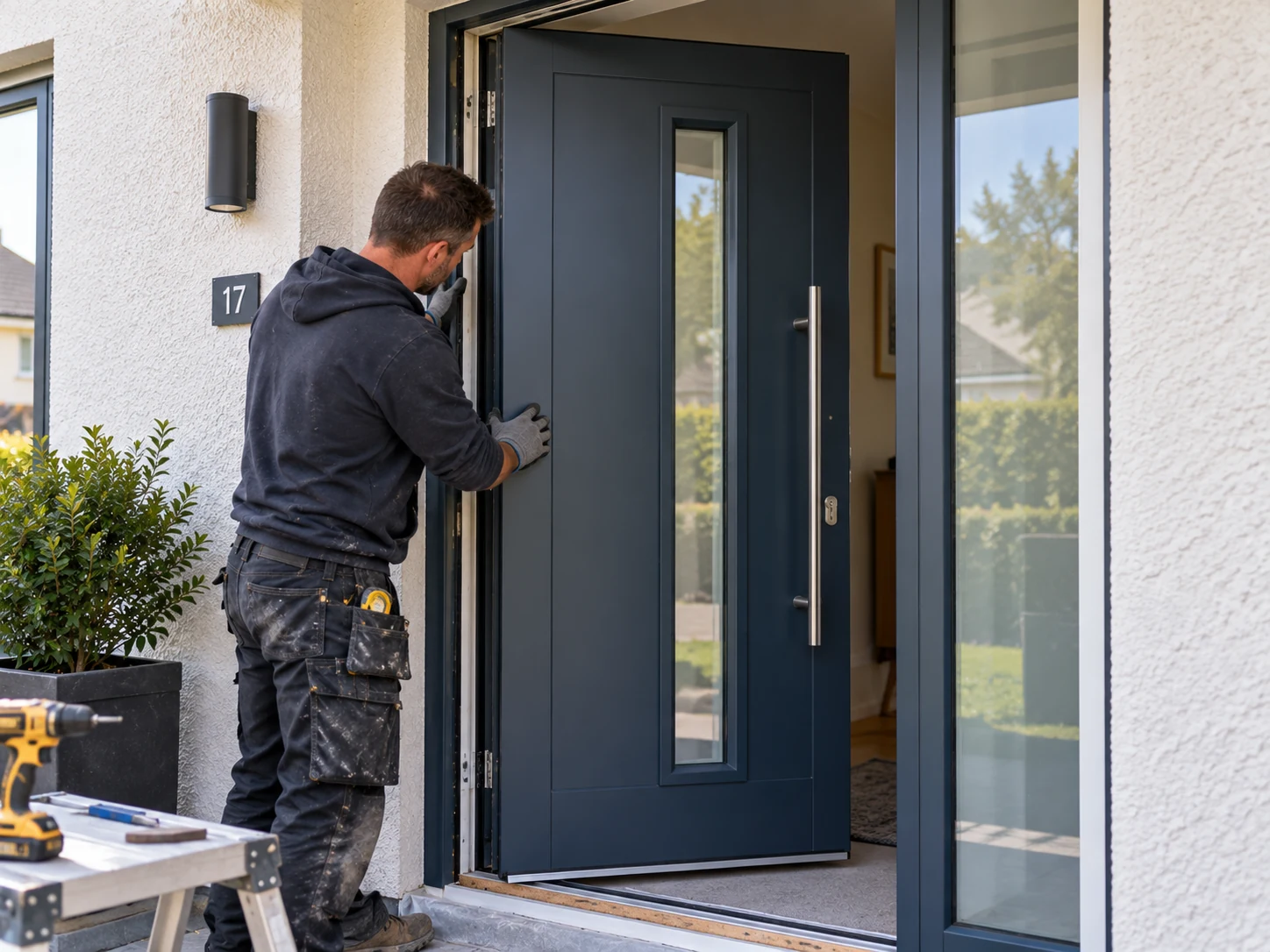
An external door deserves its own assessment rather than being treated simply as a large window.
Replacement is a natural point to reconsider security and safety alongside performance, particularly for external doors and easily accessed windows.
Safety glazing in vulnerable locations and escape windows in bedrooms are addressed by Irish Building Regulations guidance. Security ratings such as EN 1627 are independent product tests, not a legal requirement, so treat them as a genuine but optional upgrade worth asking about rather than something every product must carry.
SEAI offers standalone grants for replacement windows and external doors. Eligibility depends on more than dwelling type, so read the conditions below carefully. These figures reflect current SEAI guidance, but scheme details can change, so always confirm the current amount and your own eligibility directly with SEAI.
By dwelling type:
€800 per external door, up to a maximum of two doors.
SEAI assesses eligibility against your home's overall performance, not the windows in isolation. Replacing windows in a home that is still losing significant heat through an uninsulated attic or walls improves that overall picture by far less than the same windows in an already insulated home, which is the reasoning behind the attic and wall prerequisite. Confirm your own situation directly with SEAI.
Work through the Window and Door Check above to see how the practical factors on this page apply to your home, or if you already feel informed enough to take the next step, search for windows and doors installers in Ireland now.
Every home and every project is different, so the figures below are indicative planning ranges, cross-checked across several Irish sources, mostly installer and supplier pricing pages plus an independent trade directory's cost guide, not a national average and not a quotation for your own project. Installer marketing pages are not reliable market data on their own, so we have only kept ranges where more than one source pointed to a broadly similar figure. The only way to know what your own job will cost is to get written quotations from more than one installer.
Typically in the region of €500 to €1,200 per window, supplied and fitted, excluding VAT and before grant support. The main drivers are size, glazing specification and frame material. This is a per-window planning figure, not a whole-house price. See What drives the price below.
Typically in the region of €900 to €3,600 per door, supplied and fitted, excluding VAT and before grant support, covering uPVC and composite front doors. Aluminium doors and doors with side screens or glazed panels tend to sit toward the upper end of this range or above it.
Typically in the region of €6,000 to €12,000, supplied and fitted, excluding VAT and before grant support, for replacing all the windows in a typical three-bedroom semi-detached home, around 8 to 10 windows. This is broadly in line with the per-window figure, since removal of the old units and making good are part of a supply-and-fit price. Timber or aluminium frames, and larger, older or more complex homes, can cost more.
The three ranges above are supply-and-fit figures, meaning the installer provides and fits the windows or doors, not a materials-only price. All three exclude VAT, matching how the underlying Irish source pricing is advertised, so VAT is an additional cost on top of every figure shown above. Window and door installation in Ireland can be charged at the reduced 13.5% VAT rate that applies to construction services, or at the standard 23% rate, depending on how the cost of materials compares to the cost of labour on the job. Always ask your installer to confirm, in writing, whether their quoted price includes VAT and at what rate, since not every installer prices the way the sources above do.
The figures above are before any SEAI grant is deducted. See SEAI Windows and Doors grants above for current grant amounts and eligibility, which are assessed separately from the headline cost of the job.
These ranges are cross-checked across Irish installer and supplier pricing pages (Airtight, Expert Windows and Composite Door) and an independent trade directory's cost guide (HomePros), since no official published Irish cost dataset exists for typical window and door installation prices. Checkatrade's UK-based, pounds sterling figures were not used, since they are not applicable to Irish pricing or VAT treatment.
Grant amounts, VAT treatment and market pricing can change. This guide is reviewed periodically, but always confirm current grant amounts directly with SEAI, and confirm actual costs and VAT treatment with your own written installer quotations, before making a decision.
Two quotations that sound similar can involve very different work. Before comparing prices, make sure you can answer the following for each quotation.
Upgrader.ie does not rank, rate or recommend individual installers. This checklist is here to help you ask the right questions and compare answers, not to tell you which company to choose.
Every project varies, but replacing windows and doors in a home in Ireland generally follows a broadly similar sequence.
An installer confirms dimensions, opening configuration and the condition of each frame before quoting.
You agree the final specification, and where a grant applies, approval is confirmed with SEAI before any work begins.
Furniture, coverings and access are arranged for the areas being worked on.
Old windows or doors are removed and the opening is checked before the new unit goes in.
The new window or door is positioned, fixed, and insulated and sealed around the frame.
Ventilation provision is confirmed and the unit is checked to open, close and lock correctly.
Internal and external finishing is completed around the opening.
Where a grant was used, a post works Building Energy Rating assessment and grant paperwork are finalised.
Replacing windows or doors with ones of a similar size, shape and appearance is generally treated as exempted development in Ireland, so planning permission is not usually required. Protected structures and Architectural Conservation Areas are treated differently, and consent may be needed even for what looks like a minor change. Apartments and managed developments often carry their own separate consent requirements outside planning law entirely, so check with the management company as well as, or instead of, the planning authority.
If your home is a protected structure, sits within an Architectural Conservation Area, or is part of a managed development, or you are simply unsure, check with your local planning authority or management company before proceeding.
Start by separating the symptom from the cause. Condensation, draughts, stiff hardware and cold glass can each have more than one explanation, and not all of them mean the window has failed. See Do your windows and doors actually need replacing above, and try the Window and Door Check for pointers based on your own answers.
Not necessarily, and it depends where you see it. Moisture trapped between the panes usually points to a failed sealed glazing unit. Moisture on the room facing surface of the glass usually relates to indoor humidity, ventilation and surface temperature rather than the glazing itself. See The window is more than the glass above.
In many cases the sealed glazing unit can be replaced within the existing frame, which is worth asking about before pricing a full window replacement. Whether this is possible depends on the frame's condition and the system it uses, so ask a window professional to assess it directly.
No. A draught around an opening section often relates to worn seals, hinges or adjustment rather than the glass. A draught around the edge of the frame, where it meets the wall, often points to how the opening was sealed when the window was installed. See What happens around the frame matters above.
It depends on the home and the frame system involved. Triple glazing can offer lower heat loss and a warmer feeling glass surface, but it is heavier, and the frame and hardware need to be specified for it. Whole window performance, not the glazing label alone, is what actually matters when comparing options. See Glazing and frames above.
Ask for the whole window U value, which covers the glazing, frame and spacer together, not a centre pane or glass only figure. Current Irish Building Regulations set a backstop of 1.4 W per square metre K or lower for replacement windows and doors, and this is also the figure used for SEAI grant eligibility.
Speak to both contractors before either project begins. Window position, reveals, sills and how the two jobs are sequenced can all affect the finished result and where responsibility sits if something is not detailed properly. See Replacing windows and insulating walls above, and our Insulation guide.
Often, yes. Replacement windows are usually more airtight than older units, and uncontrolled leakage through an old window may have been contributing to background air movement without you realising it. See New windows can change how air moves through a home above.
SEAI offers standalone grants for windows and external doors, but eligibility depends on your home's existing attic and wall insulation, among other conditions. You do not need to replace every window in the home, but whichever windows you do replace must meet the required U value, and your home must still meet the overall assessment SEAI applies. See SEAI Windows and Doors grants above, and confirm your own eligibility directly with SEAI.
Replacing windows or doors with ones of a similar size, shape and appearance is generally treated as exempted development in Ireland. Protected structures and Architectural Conservation Areas are treated differently, and apartments or managed developments can carry their own separate consent requirements. Check with your local planning authority, or the relevant management company, if you are unsure.
7,000+
Applications for window and door upgrades received in the first quarter of 2026
SEAI, 21 April 2026, Applications for Home Energy Upgrades up 96% so far in 2026
That figure counts applications, not completed installations and not grants actually paid, so it reflects early interest in the new grant rather than how many homes have gone on to qualify or finish the work. The eligibility conditions above, particularly the existing attic and wall insulation requirement, still decide whether a given home can proceed, which is why establishing your own position early is worth doing before you request quotations.
Go deeper on some of the questions covered above.
What determines whether a failed sealed unit can be replaced within its existing frame.
Read guide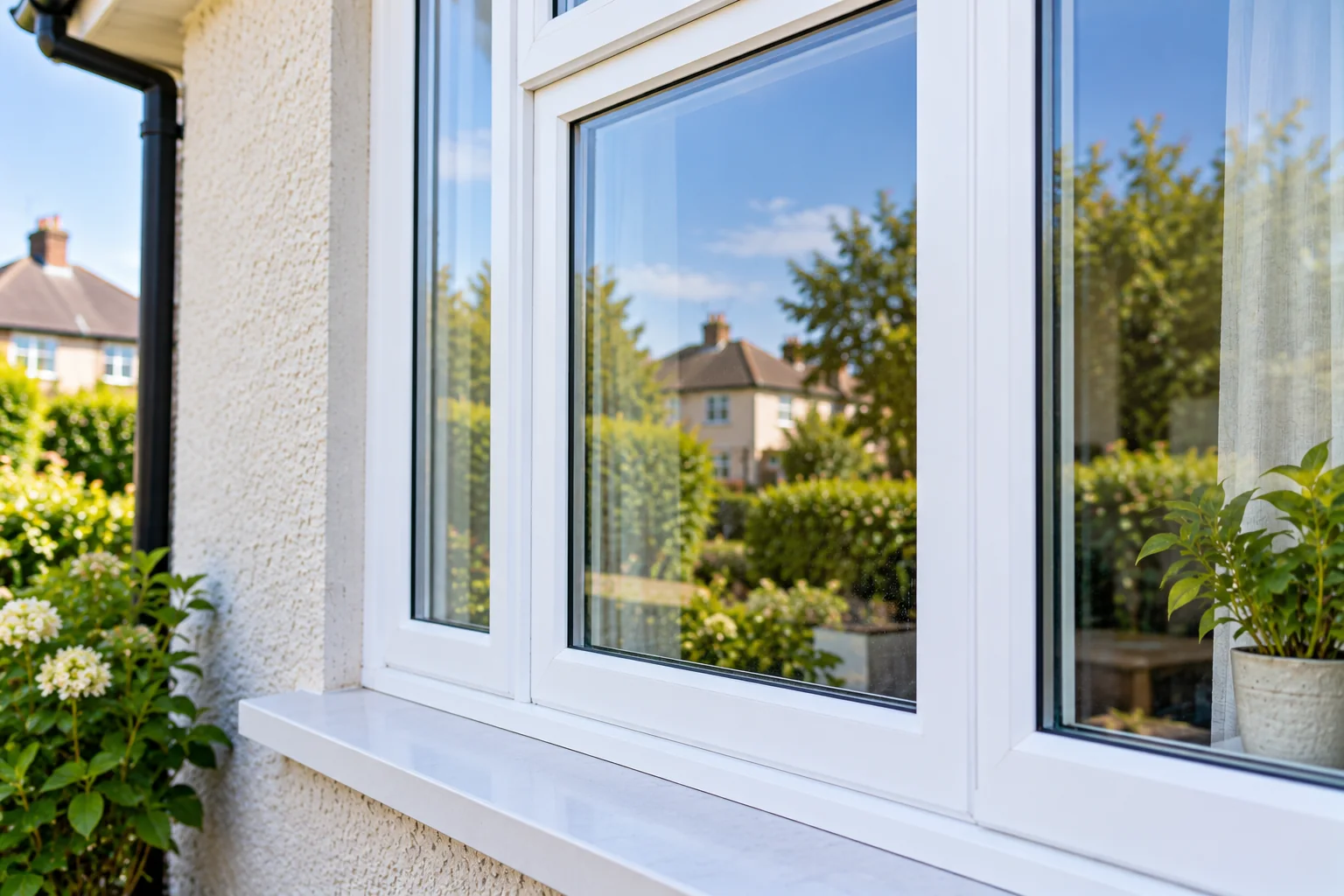
How to interpret and compare thermal performance figures between more than one quotation.
Read guide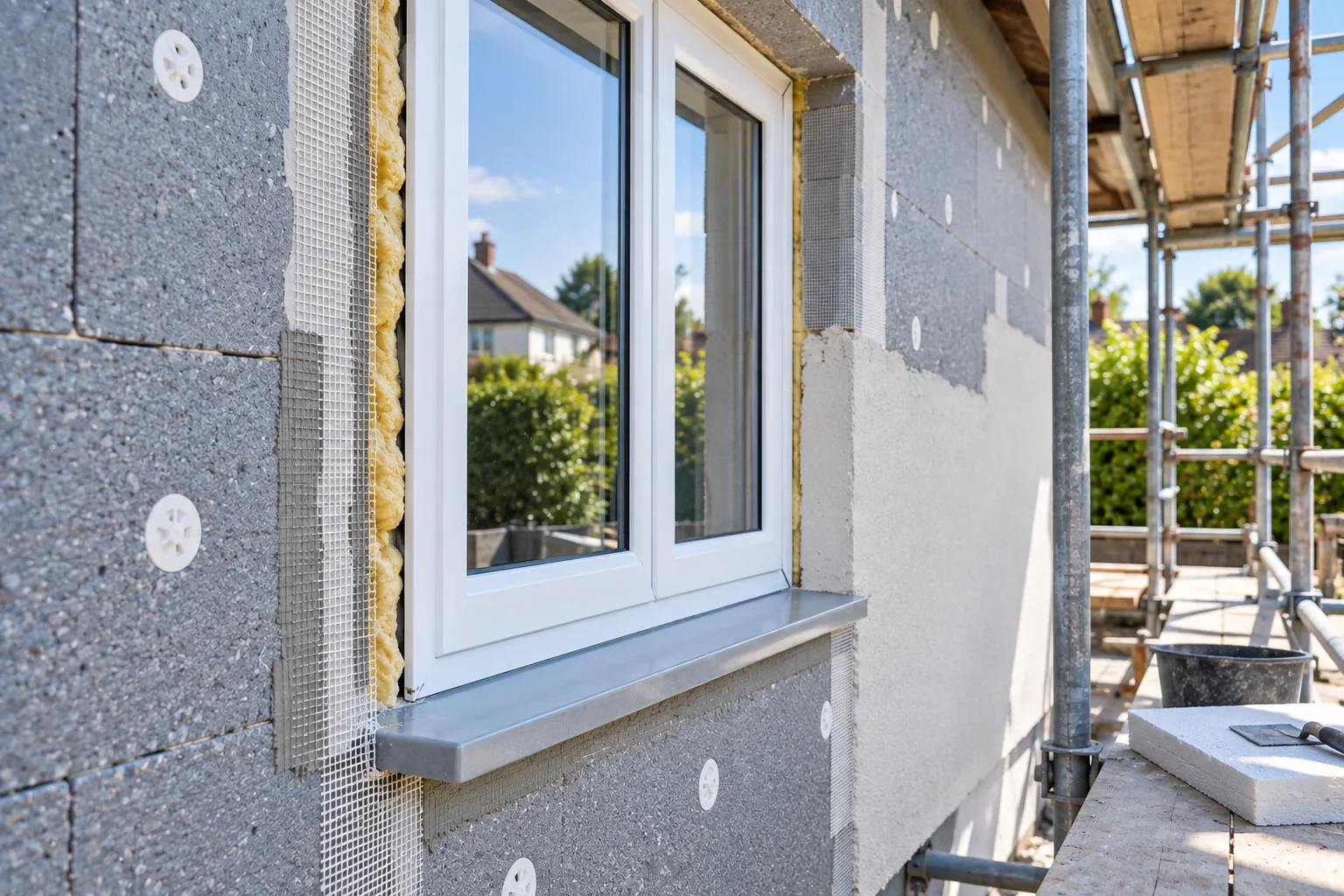
A sequencing checklist covering reveals, sills and continuity between the two trades.
Read guideIf you feel informed enough to take the next step, you can search for windows and doors installers in Ireland and contact the ones that interest you directly.
Browse companies registered with SEAI for this upgrade
Review company details before you get in touch
Contact installers directly, with no obligation and no middleman
Upgrader.ie is an independent information resource. We do not currently have installer partnerships, and listing a company does not imply endorsement or vetting. See Our Partnerships.