Waste Collection Charges, Lift Fees and Weight Charges Explained
A waste collection bill is built from more than one number, and the one that decides whether a plan actually suits your household is usually not the one printed largest on the price list.
Why there is no single national charging model
Flat rate, all you can put out charging was phased out from 2017, and collectors were left free to choose their own usage based pricing model rather than a single structure being imposed nationally. Our main guide to waste collection in Ireland introduces the three broad models in use. This article goes through what each one actually charges for, and the mechanics that decide whether a given model suits a given household.
The three models, in brief
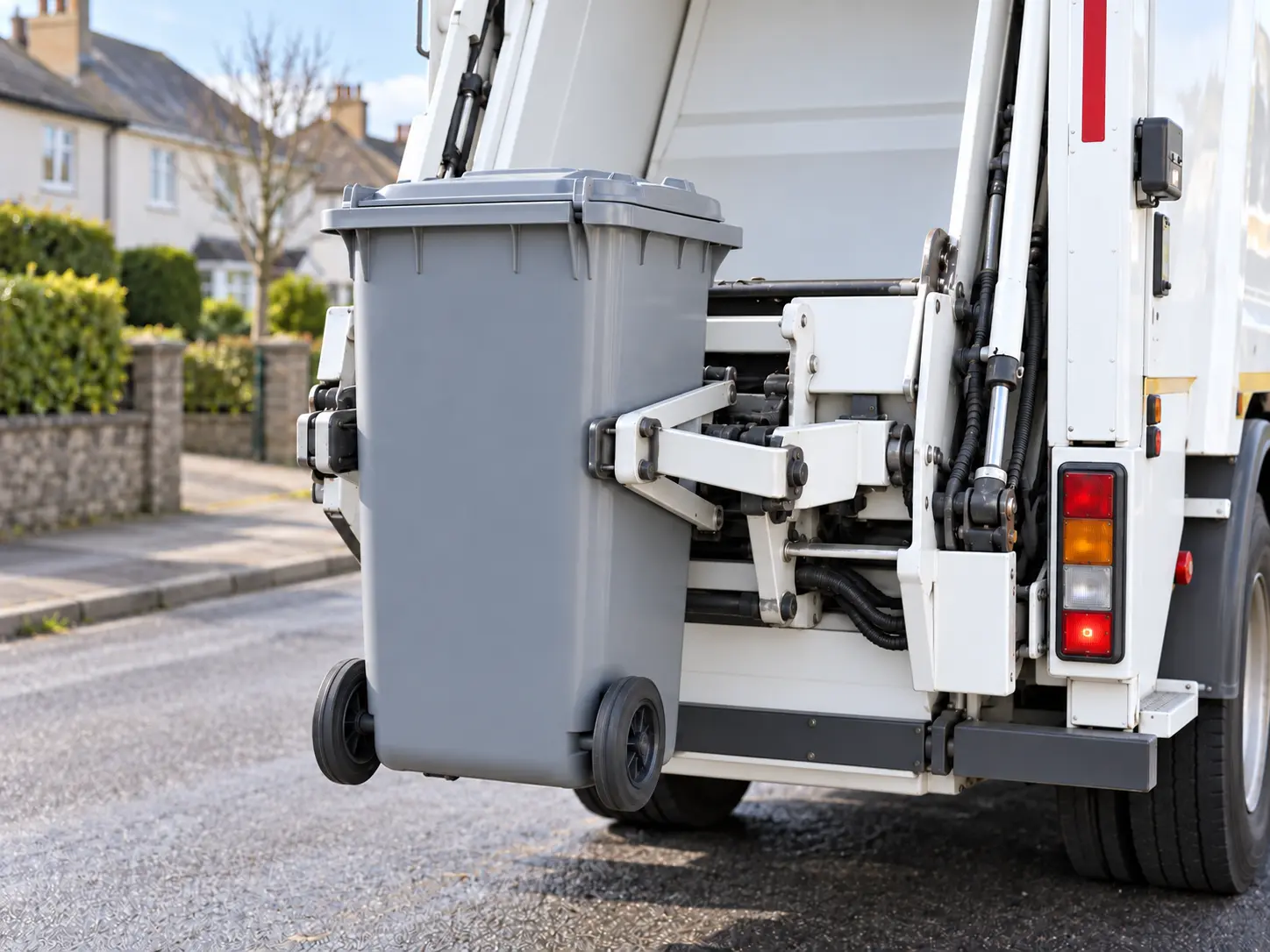
A pay by lift plan charges a set amount every time a bin is presented, regardless of how full it is or how much it weighs. A pay by weight plan charges according to the actual weight collected. An allowance based plan bundles a set number of lifts or a set weight into the standing charge, then charges an excess rate once you go over it. Our guide to how to compare bin collection costs using your household's usage runs two households through all three to show how the ranking between them can flip depending on how much a household actually puts out.
Why the standing charge changes what a "cheap" rate actually means
Almost every plan includes a standing or service charge, billed on a fixed schedule such as annually or quarterly, that applies regardless of how much you actually put out, on top of whichever usage rate above applies. Because the standing charge does not move with usage, it makes up a much larger share of the total bill for a household that puts out very little than for one that regularly uses its full allowance, which is why comparing two plans on their usage rate alone, without weighing the standing charge each carries, can be misleading in either direction.
What to check on a weight based or allowance based plan
Beyond the headline rate, ask your own collector directly for the specific figures that apply to your plan: any included weight allowance, the period that allowance covers, such as per collection or per year, and the excess charge once you go over it. These figures are set by the individual collector and are not standardised, so a figure quoted for a different plan, bin size, or collector does not necessarily apply to yours. Keeping general waste weight down through proper sorting of recycling and food waste, covered in our guide to what goes in general waste, mixed recycling and food waste, still helps on any plan charged wholly or partly by weight.
Want help comparing lift fees and weight charges?
A member of the comparison team can call you to go through the waste collection plans available through its service.
What to actually ask a collector for
To compare two collectors' charging structures properly, ask each one for the same four figures rather than accepting whatever they lead with: the standing charge, the per-lift or per-kilogram rate, any included allowance and the period it covers, and the excess rate once that allowance is exceeded. A collector that only volunteers the standing charge and a headline rate has left out exactly the figures that usually decide the real annual cost.
Setup, cancellation and price review terms
Beyond the charging model itself, check whether starting a new service or receiving new bins carries a one off setup or delivery charge, what notice you need to give to cancel, and whether the plan includes an annual price review with advance notice before any increase takes effect. None of these directly change how a single collection is charged, but they affect the total cost and flexibility of a plan over its full term, not just its first year.
| Model | What determines the charge | Rewards |
|---|---|---|
| Pay by lift | A flat fee each time a bin is presented, regardless of fullness | Waiting until a bin is genuinely full before putting it out |
| Pay by weight | The actual weight collected, charged per kilogram | Keeping general waste genuinely light through proper sorting |
| Allowance based | A bundled amount included in the standing charge, then an excess rate beyond it | Usage that consistently sits within the included allowance |
What to check on any waste collection charging structure
- The standing or service charge, and what it includes before any usage charge applies
- Whether the plan charges by lift, by weight, or as an allowance with an excess rate
- Any included weight allowance and the period it covers, such as per collection or per year
- The specific excess charge once that allowance is exceeded
- Any setup or bin delivery charge
- The cancellation notice period and how price reviews are notified
For a worked example applying these charging mechanics to two different households, see our guide to how to compare bin collection costs using your household's usage, or return to the main guide to waste collection in Ireland for how the wider system works.