How to Compare Bin Collection Costs Using Your Household's Usage
The same three charging models can rank in a completely different order depending on how much a household actually puts out. This article runs two hypothetical households, one light and infrequent, one heavy and weekly, through the same three plans, so you can see why the model has to be checked against your own numbers, not chosen on reputation.
Why this article is a worked example, not another checklist
Our main guide to waste collection in Ireland already covers confirming which permitted collectors serve your address and what to check on a plan beyond the headline price. This article assumes you have already done that and takes the comparison one step further: it puts real numbers through pay by lift, pay by weight and allowance based charging, covered in full in our guide to waste collection charges, lift fees and weight charges explained, to show how the same three plans produce a different winner depending on the household.
Where the numbers come from
The figures below are illustrative, not real collector prices, but the inputs they use, how often a bin goes out and how much it weighs, are exactly what you should gather from your own household before comparing quotes. A collector that already charges by weight can usually provide a record of your own recent lift weights on request. If your current plan does not report weight, keep a rough count of how often each bin goes out and estimate whether it is typically full, half full, or overflowing, which is enough to run this comparison approximately.
| Charge | Plan 1: pay by lift | Plan 2: pay by weight | Plan 3: allowance based |
|---|---|---|---|
| Standing charge | €150 per year | €130 per year | €180 per year, includes 100kg |
| Usage charge | €3.50 per lift | €0.40 per kg | €0.60 per kg once over 100kg |
Household A: light and infrequent
Say Household A puts out its general waste bin 20 times a year, roughly every two to three weeks, with an average recorded weight of 7kg per lift, for a total annual weight of 140kg. On Plan 1, the cost is the €150 standing charge plus 20 lifts at €3.50, or €220. On Plan 2, it is the €130 standing charge plus 140kg at €0.40, or €186. On Plan 3, the household exceeds its 100kg allowance by 40kg, so the cost is the €180 standing charge plus 40kg at €0.60, or €204.
For Household A, Plan 2, pay by weight, is the cheapest of the three, by a meaningful margin over Plan 1.
Household B: heavy and weekly
Say Household B puts out its general waste bin every week, 52 times a year, with an average recorded weight of 10kg per lift, for a total annual weight of 520kg. On Plan 1, the cost is €150 plus 52 lifts at €3.50, or €332. On Plan 2, it is €130 plus 520kg at €0.40, or €338. On Plan 3, the household exceeds its 100kg allowance by 420kg, so the cost is €180 plus 420kg at €0.60, or €432.
For Household B, the ranking flips: Plan 1, pay by lift, is now the cheapest, Plan 2 is close behind, and Plan 3 is by far the most expensive, because a low included allowance works against a household that puts out far more than it covers.
Household A and Household B were offered identical plans, and each household's cheapest option was different. This is the reason a charging model cannot be judged as generally good value or poor value on its own: it depends entirely on how a specific household's frequency and weight interact with that plan's specific standing charge, rate and, where relevant, included allowance.
Want help comparing plans for your household?
A member of the comparison team can call you to go through the waste collection plans available through its service.
What changes the outcome, and what to do with that
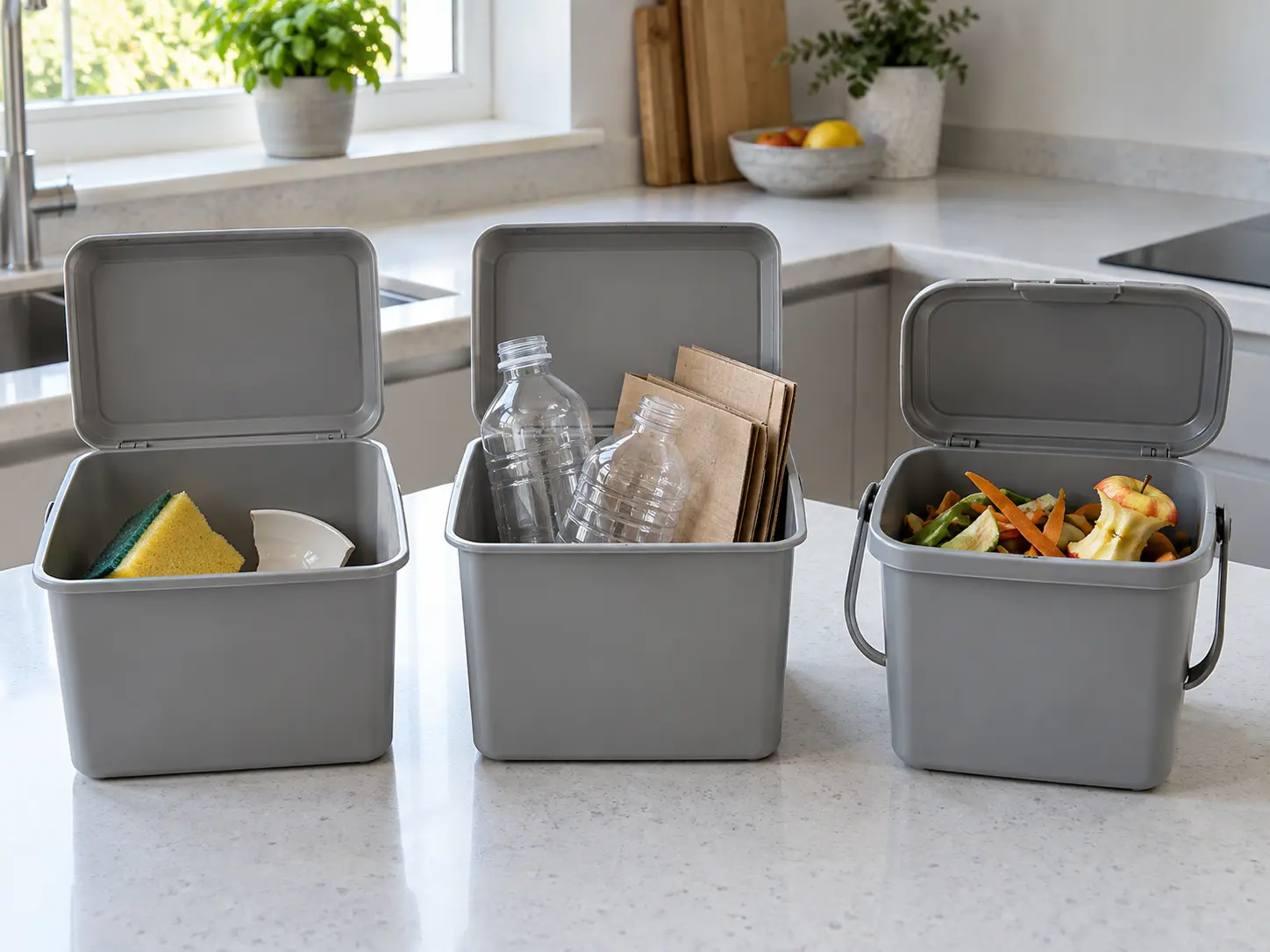
The deciding factor in both cases was not the standing charge alone, and not the usage rate alone, but the two combined against actual frequency and weight. A household closer to Household A's pattern should weight a quote's per-kilogram or per-lift rate more heavily in its decision; a household closer to Household B's pattern should look hardest at the included allowance on any plan that offers one, since that is where the cost can escalate fastest. Reducing your own general waste weight by sorting recycling and food waste properly, covered in our guide to what goes in general waste, mixed recycling and food waste, moves a household's own numbers toward Household A's position on whichever plan you choose.
Running this comparison on your own household's numbers
- Your own lift frequency over a year, from a recent bill or by asking your current collector for a record
- Your own recorded or estimated weight per lift, and the resulting annual total
- Each plan's standing charge and usage rate, quoted separately
- Any included allowance and the excess rate once it is exceeded
- The full annual cost for each plan, worked out from your own frequency and weight, not the base price alone
For the different pricing models explained in full, see our guide to waste collection charges, lift fees and weight charges explained, or return to the main guide to waste collection in Ireland for confirming which collectors serve your address and what else to check on a plan.