What Goes in General Waste, Mixed Recycling and Food Waste?
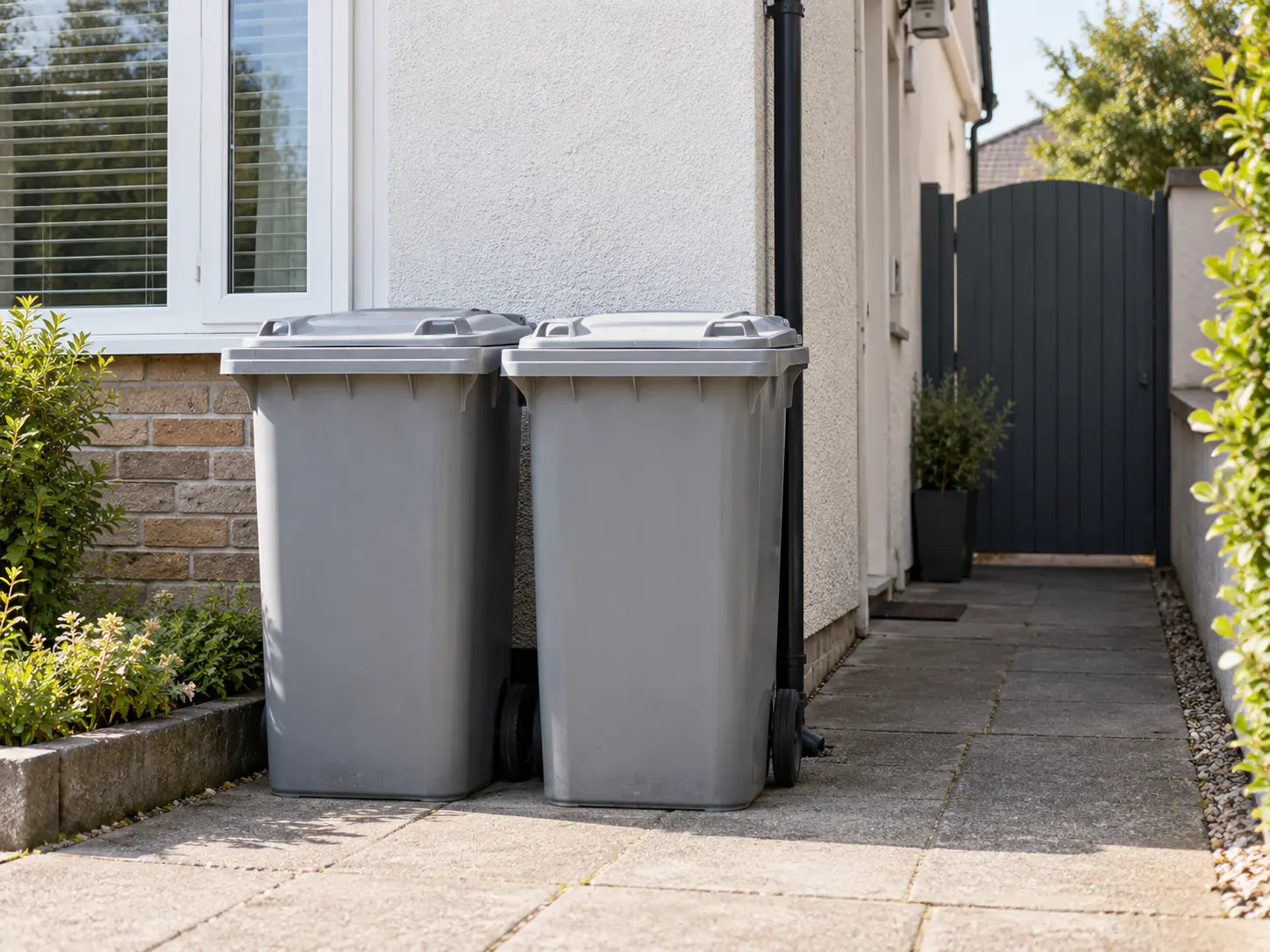
Bin colours are not a reliable guide in Ireland, since they vary between collectors and areas. Sorting correctly means knowing what each stream is for, not what colour lid it happens to have on your road.
Sort by purpose, not by colour
Our main guide to waste collection in Ireland makes this point briefly: bin colours used for general waste, recycling and food waste are not standardised nationally and vary by collector and by area. A colour that means general waste with one collector can be used for recycling by another operating a few streets away. This article works from purpose rather than colour, so it applies regardless of which colour bin your own collector happens to use for each stream. If you are ever unsure which of your own bins is for which stream, check with your collector directly rather than assuming a colour convention from a previous address or a different part of the country applies where you live now.
General, or residual, waste: what is genuinely left over
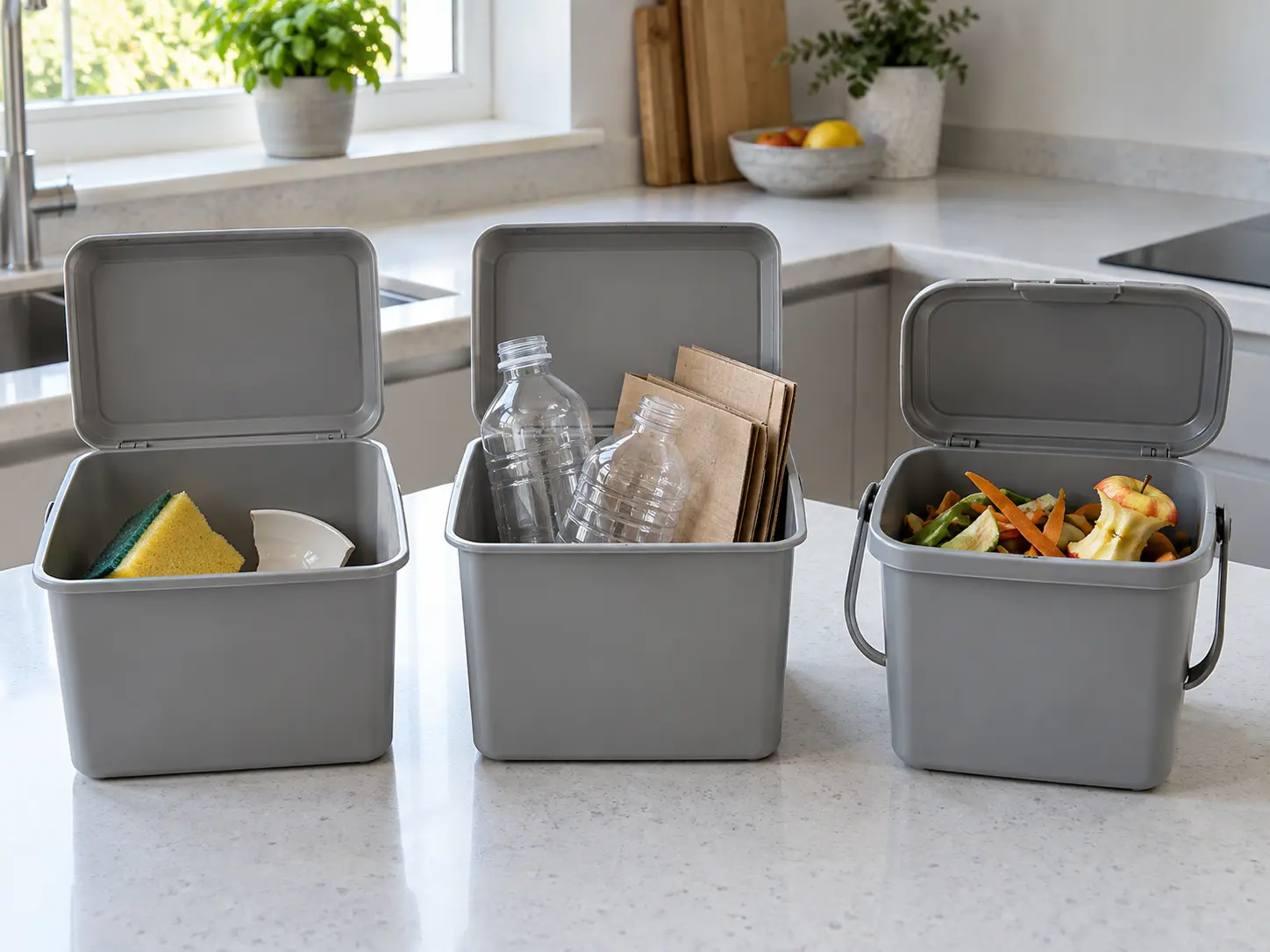
General waste, sometimes called residual waste, is for material that cannot go in recycling or food waste and has no other suitable disposal route through your kerbside collection. This includes items such as nappies and sanitary products, broken crockery and glassware, non recyclable or heavily soiled packaging, and vacuum cleaner contents. The aim of using recycling and food waste properly, covered below, is to shrink what actually needs to end up here, since anything that can genuinely be recycled or composted instead reduces both environmental impact and, on a pay by weight or pay by lift plan, your own bill.
Mixed dry recycling: clean, dry and loose
Mixed dry recycling generally accepts paper, cardboard, plastic packaging, including soft plastics such as bread wrappers and salad bags, and metal tins or cans, but three conditions affect whether material is actually recycled rather than rejected. Material should be reasonably clean, since food residue can contaminate an entire load. It should be dry, since wet paper and cardboard lose their recyclability. And it should be loose rather than bagged in plastic, since sorting facilities generally process material as individual loose items, not sealed bags, which staff cannot always open safely or efficiently at the volumes involved.
A genuinely common mistake is putting recyclables into a plastic bag before placing them in the recycling bin, on the assumption this keeps the bin tidy. In practice, a bagged load is more likely to be treated as contaminated or simply not properly sorted than one placed in loose. Another common mistake is including greasy or food soiled packaging, such as a pizza box with cheese and grease baked onto it, which is often better suited to general waste or, where the card portion is genuinely clean, torn and separated accordingly. Plastic drinks bottles and cans carrying the Re-turn logo are better brought back to a participating shop or reverse vending machine, where the deposit you paid is refunded, rather than put in the recycling bin.
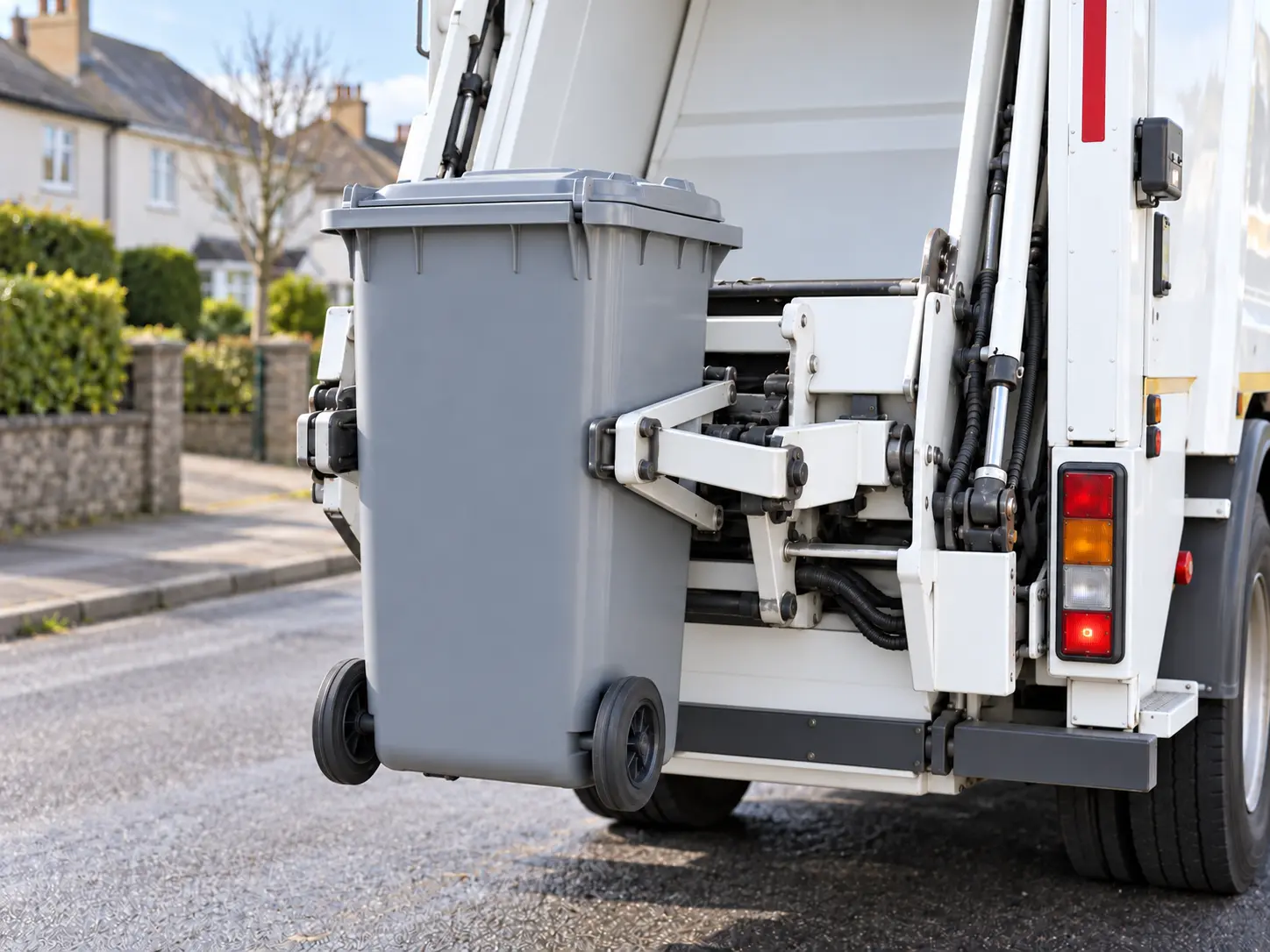
Recycling is typically processed in bulk rather than item by item, so a bin containing a meaningful amount of contaminated material, whether bagged recyclables, food soiled packaging, or items that do not belong in recycling at all, risks the whole load being rejected and redirected to general waste disposal rather than recycled. A small sorting mistake repeated across many households is part of why contamination is treated seriously by collectors, not simply as a minor inconvenience.
Want help finding a collection plan that fits?
A member of the comparison team can call you to go through the waste collection plans available through its service.
Food and organic waste: more than just plate scrapings
Food and garden waste, commonly collected through what is often described nationally as a brown bin service though the actual bin colour still depends on your collector, accepts raw and cooked food, plate scrapings, fruit and vegetable peelings, and garden cuttings. Packaging should be removed first, including any compostable-labelled packaging film, unless your specific collector has explicitly confirmed it accepts that material, since compostable packaging standards and what a given composting facility can actually process are not the same thing everywhere.
Since 1 January 2024, collectors have been required to offer a food waste collection to every household they serve, with an exception for households on offshore islands, and households are required to segregate food waste from general waste and recycling once the service is available to them. Where a food waste collection genuinely is not yet available, or a household prefers not to use one, home composting is a recognised alternative for garden waste and some food waste, though it does not suit every property and generally does not suit cooked food or meat, which most home composting setups cannot process safely.
Items that never belong in any household bin
Some items are excluded from all three kerbside streams entirely, not because of a sorting preference but because they need a different, dedicated disposal route. Electrical and electronic items, batteries, paint and other household chemicals, and larger bulky items such as furniture and mattresses all fall into this category. Our main guide to waste collection in Ireland covers these routes in detail, including retailer take back schemes for electrical items and batteries and what civic amenity sites typically accept.
Why this matters beyond a tidy bin
Sorting correctly is not only an environmental question. On a pay by weight or pay by lift plan, covered in our guide to waste collection charges, lift fees and weight charges explained, moving genuinely recyclable and compostable material out of general waste directly reduces what you are charged for in that stream. A household using recycling and food waste properly, rather than treating every bin as a general waste bin with a different coloured lid, typically has far less material left over that actually needs to go in general waste.
Sorting checklist by purpose, not colour
- Confirm with your own collector which of your bins is used for which stream, since colours are not standardised
- Keep recyclables loose, not bagged in plastic
- Keep recyclables reasonably clean and dry before placing them in the bin
- Remove packaging, including compostable-labelled film, from food waste unless your collector has confirmed otherwise
- Move genuinely recyclable and compostable material out of general waste to reduce both contamination risk and, on a usage based plan, your bill
- Route electrical items, batteries, paint and bulky items through a retailer take back scheme or civic amenity site, never a household bin
For a worked example of how sorting well changes which pricing model actually suits your household, see our guide to how to compare bin collection costs using your household's usage, or return to the main guide to waste collection in Ireland.