Electricity Unit Rates, Standing Charges and Discounts Explained
An electricity bill in Ireland is not one price, it is several charges added together, only some of which a discount actually touches. Understanding how each line is calculated is what lets you tell a genuinely cheaper plan from one that only looks cheaper.
What actually appears on an Irish electricity bill
Every domestic electricity bill in Ireland combines a small number of separate charges into one total. Our main guide to electricity in Ireland introduces these briefly. This article goes through each one in more detail, including the two charges most comparisons overlook: VAT and the PSO levy, neither of which is set by your supplier.

The unit rate: price per kWh, and why there can be more than one
The unit rate is the price charged for each kilowatt hour (kWh) of electricity you use, and it is usually the figure suppliers lead with in marketing. On a standard plan, a single unit rate applies to all your usage. On a time of use tariff, which requires a smart meter, more than one unit rate can apply depending on the time of day electricity is used, typically a lower rate overnight and a higher rate during an evening peak period. Our guide to smart meters and time of use tariffs explains how these bands are structured and how to work out whether one suits your household before switching.
The standing charge: a fixed cost of being connected
The standing charge is a fixed amount charged daily or annually simply for having an electricity connection and a supply agreement, regardless of how much electricity you actually use. It covers the fixed costs of maintaining your connection to the network rather than the electricity itself. Because it does not scale with usage, the standing charge matters proportionally more to a household with low consumption, where it can make up a meaningful share of the total bill, than to a household with high consumption, where the unit rate dominates the total.
Standing charges in Ireland are not the same for every home. ESB Networks classes each domestic connection as urban or rural, and the network charges approved by the CRU are higher for rural connections, so suppliers generally quote a higher standing charge for a rural home. Meter type and tariff structure can also change the figure, since a day and night or smart time of use plan may carry a different standing charge from a standard 24 hour plan. Check which standing charge applies to your own connection and meter, not just the headline figure on a price list.
VAT and the PSO levy: charges outside supplier competition
Domestic electricity bills in Ireland are subject to VAT, and also carry the Public Service Obligation (PSO) levy, a regulated amount applied under the national PSO framework to support specific energy policy objectives, rather than something any individual supplier sets or prices competitively. Its value is reviewed periodically by the Commission for Regulation of Utilities (CRU) and can be revised up or down between review periods, so it is not fixed forever, but it is fixed across the market at any given time. This matters for comparison because a supplier's own discount has no effect on it: it sits outside ordinary price competition, so it is worth knowing it exists as a distinct line rather than assuming a bill higher than expected must mean the unit rate or standing charge was miscalculated.
How a discount is actually applied
This is the point where headline offers most often mislead. A discount, whether expressed as a percentage or a fixed euro amount, is typically applied to the unit rate portion of the bill only. It generally does not reduce the standing charge or the PSO levy, and VAT is then charged on the lower, discounted amount. This means the practical effect of a discount on your total annual bill is almost always smaller than the advertised percentage suggests, because that percentage is only being taken off part of what you actually pay.
A plan with a large discount on the unit rate but a high standing charge can produce a higher estimated annual cost than a plan with a smaller discount but a lower standing charge, once your actual usage is applied to both. This is exactly why the estimated annual cost, worked out from your own usage figure, is the number worth comparing, not the discount percentage in isolation. Our guide to how to compare electricity plans sets out the full comparison process step by step.
Want help comparing unit rates and standing charges?
A member of the comparison team can call you to go through the electricity plans available through its service.
Actual and estimated meter readings: what to look for on your bill
A bill is calculated from either an actual meter reading or an estimated one, and most suppliers mark which type applies somewhere on the bill, commonly as a single letter such as A for actual or E for estimated, though the exact wording and where it appears varies by supplier, so check your own bill or ask your supplier directly if it is not obvious. An actual reading means a real reading was obtained, taken manually or, for a smart meter, automatically. An estimated reading means the supplier has calculated a figure from past usage rather than a current reading, which can leave a bill running ahead of or behind your real consumption until a subsequent actual reading corrects it.
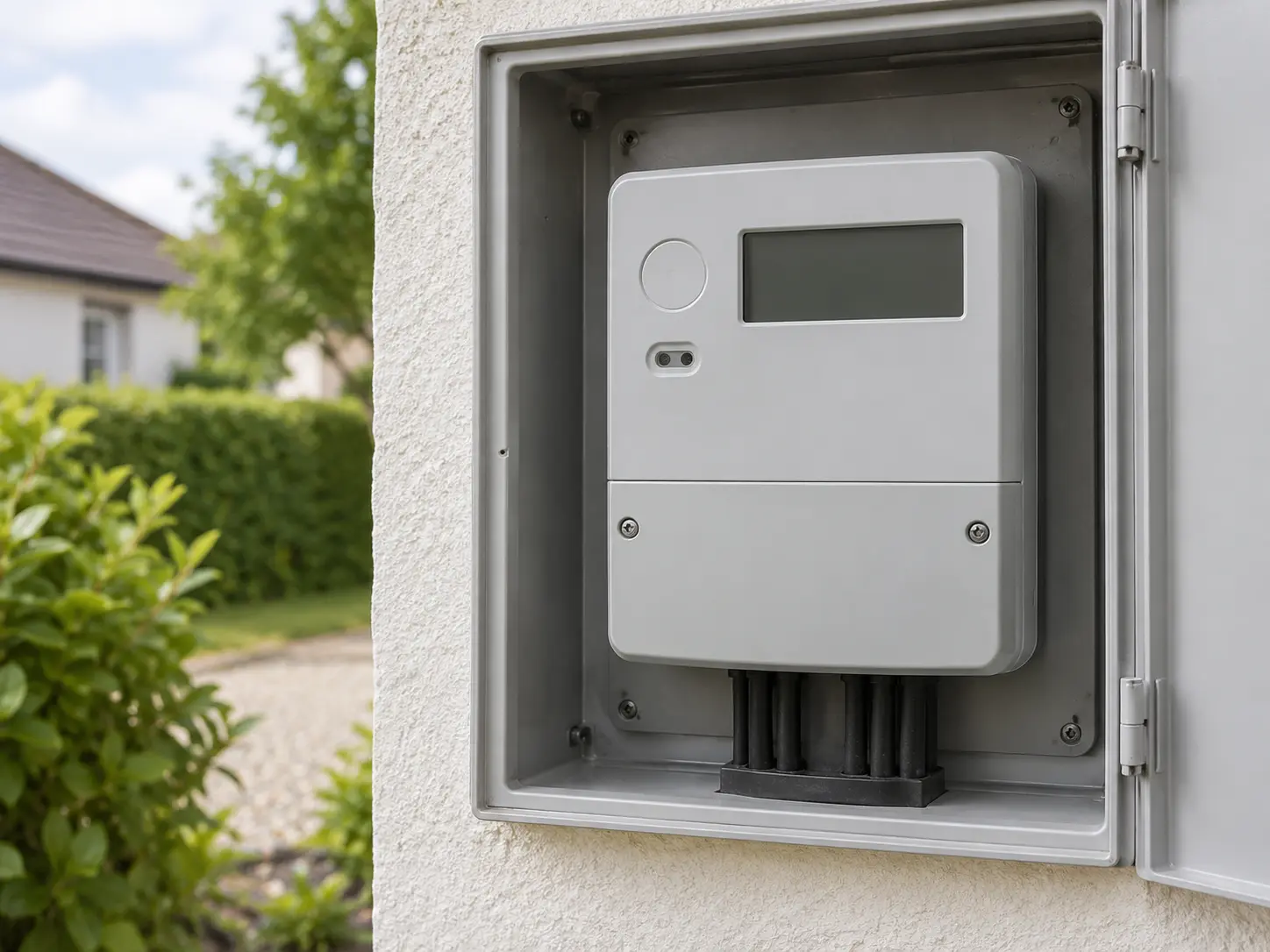
A smart meter is designed to send usage data back automatically at short, regular intervals, which is what allows a supplier to bill from real data rather than a periodic manual read, and in most cases this reduces how often an estimated reading appears. It is not an absolute guarantee, though: a smart meter still depends on a working data connection, and a supplier's own billing systems need to be set up to use that data, so an estimated reading can still appear occasionally. If estimated readings persist on a meter you know is smart and working, raise it directly with your supplier rather than assuming it is unavoidable.
Billing periods and why they matter to what you see on paper
Suppliers bill on different cycles, commonly monthly or every two months, and the length of that cycle affects how a bill looks even where the underlying unit rate and standing charge are identical. A longer billing period naturally produces a larger single bill covering more usage, while a shorter cycle produces smaller, more frequent bills. Neither is inherently cheaper, since the total charged over a year should work out the same for the same usage and rates, but it is worth knowing your own billing cycle when comparing a bill you have in hand against a headline monthly or annual figure quoted by another supplier, so you are comparing the same period.
| Charge | How it is calculated | Affected by a supplier discount |
|---|---|---|
| Unit rate | Price per kWh used, multiplied by your consumption | Usually yes, this is typically where a discount is applied |
| Standing charge | Fixed daily or annual charge, regardless of usage | Rarely |
| PSO levy | Regulated amount under the national PSO framework, reviewed periodically by the CRU, same across all suppliers at any given time | No |
| VAT | Applied to the electricity charges on the bill | Indirectly: VAT is charged on the discounted amount |
What to check on any electricity bill or quotation
- The unit rate, and whether more than one rate applies depending on time of day
- The standing charge, quoted separately from the unit rate
- What portion of the bill any discount is applied to, and for how long it lasts
- Whether recent readings are marked as actual or estimated
- Your billing cycle, so you can compare like periods against another supplier's figures
- The resulting estimated annual cost, based on your own usage, not a generic example
For a worked example applying these figures to two hypothetical offers, see our guide to how to compare electricity plans using your annual usage, or return to the main guide to electricity in Ireland for what to have ready before you switch.